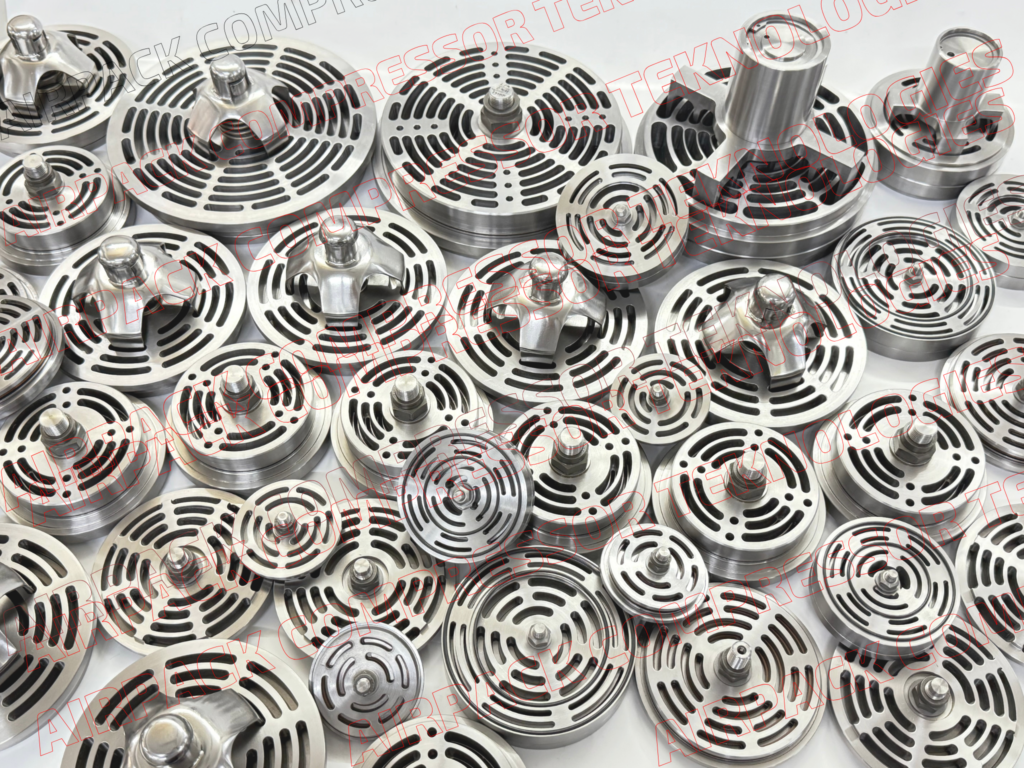
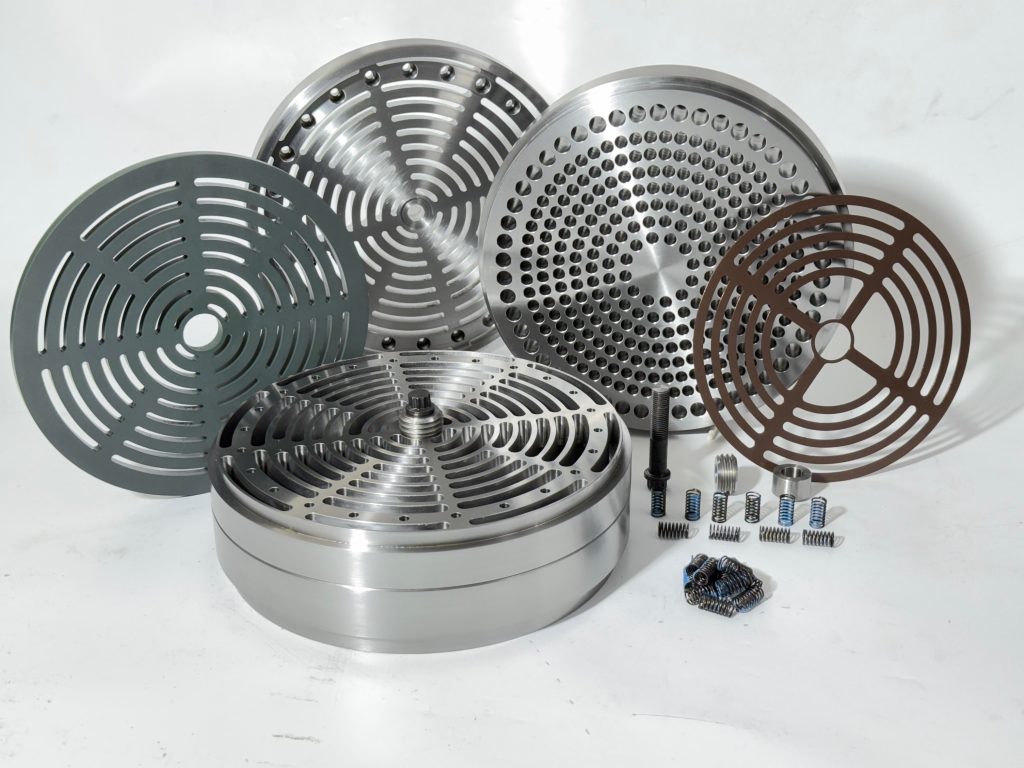
 The valve assembly is perhaps the most essential element in any reciprocating compressor setup. It regulates the passage of air or gases during the suction and discharge processes. This is critical to ensure efficiency and reliability in the operation of the compressor. In the absence of an efficient valve assembly, compressor efficiency may drop drastically.
For industrial applications in areas such as Oil & Gas, Petrochemical, Power Generation, Chemical Process and Manufacturing industries, a good compressor valve assembly is necessary for ensuring reliable operation of these units. A good valve assembly is known to enhance flow dynamics and pressure losses while also increasing the life of the compressor unit, which makes it an important purchase for industries.
What is a Valve Assembly?
The valve assembly is an engineered component designed to control the intake and release of gas in the compressor. The valve assembly works automatically by using differential pressures developed during the process of compression to allow the flow of gas in one direction only.
The main components of a valve assembly are:
Valve Seat
Valve Plate
Springs
Valve Guard
Fasteners
Thermoplastic or Metal Components
These components function together to ensure efficient gas flow and proper functioning of the compressor.
Why is a Valve Assembly Important?
The performance of a reciprocating compressor depends heavily on the condition and design of its valve assembly. Industry references note that compressor valve assemblies are switched between open and closed states due to pressure differences caused by piston movement, making them central to compressor efficiency and reliability.
Primary Advantages
Efficient compression
Low energy usage
Precise pressure regulation
Decreased maintenance expense
Higher life span of equipment
Low operating downtime
An inefficient valve assembly design causes leaks, pressure loss, inefficiency in volume, and expensive maintenance.
Types of Valve Assembly.
Plate Valve Assembly.
Plate valve assemblies use metallic or thermoplastic plates that open and close according to pressure changes. They are among the most widely used valve designs in industrial compressors due to their efficiency and reliability.
Benefits
- Simple construction
- High efficiency
- Easy maintenance
- Long service life
Ring Valve Assembly
Ring valve assemblies use concentric rings to regulate gas flow. These valves provide a larger flow area and lower pressure drop.
Benefits
- Suitable for high-capacity compressors
- Excellent durability
- Reduced flow resistance
Poppet Valve Assembly
Poppet valve assemblies contain individual moving valve elements that provide fast response and superior sealing.
Benefits
- Rapid operation
- Excellent sealing performance
- Suitable for high-speed compressors
Thermoplastic Valve Assembly
Thermoplastic valve assemblies are made from state-of-the-art polymers that provide high wear resistance and light weight.
Advantages
Resistant to corrosion
Low impact loading
Longer life span
Increased efficiency
Compressor Valve Assembly Components.
Understanding the major components of a compressor valve assembly helps in selecting the right solution.
Valve Seat
Provides the sealing surface for the valve element and contains gas flow ports.
Valve Plate
The moving element responsible for opening and closing gas passages.
Springs
Help return valve elements to their closed position and maintain operational timing.
Valve Guard
Controls valve lift and protects components from excessive movement.
Why Component Quality Matters
Higher-quality components improve:
- Sealing efficiency
- Compressor reliability
- Energy performance
- Service life
Applications of Valve Assembly.
Valve assemblies are widely used in industrial gas compression systems.
Industrial Applications
- Reciprocating Air Compressors
- Natural Gas Compressors
- Process Gas Compressors
- Industrial Air Systems
- High-Pressure Compressors
- Booster Compressors
Specialized Applications
- Oil & Gas Processing
- Petrochemical Plants
- Chemical Manufacturing
- Fertilizer Industries
- Pharmaceutical Production
- Food Processing Plants
Industries Served
Oil & Gas
Used in gas compression, transportation, and processing systems.
Petrochemical
Supports demanding process gas applications requiring reliable compressor performance.
Power Generation
Ensures dependable compressed air systems and gas handling operations.
Chemical Manufacturing
Provides accurate gas flow control in critical processing environments.
Pharmaceutical Industry
Supports contamination-sensitive compressed air systems.
Heavy Engineering
Used in industrial compressor systems for manufacturing operations.
How to Maintain a Valve Assembly.
Maintenance is extremely important for optimal performance and longevity of the compressors.
Valves Maintenance – Regular Inspection
Inspect plate, springs and seats for wear or any other damage.
Monitor Operating Conditions
Track:
- Temperature
- Pressure
- Flow Rate
- Vibration Levels
Replace Worn Components
Prompt replacement helps prevent major compressor failures.
Use Genuine Parts
Original replacement parts ensure compatibility and reliability.
Conclusion.
An effective valve assembly is important in ensuring optimum performance of the compressor. The right choice of a compressor valve assembly will help save energy, cut down on downtime, and extend the life of the equipment. The use of appropriate parts, following preventive maintenance measures, and working with a professional valve manufacturing company will go a long way in ensuring reliable operation of the compressor.
Frequently Asked Questions (FAQ)
What is a valve assembly?
A valve assemblies is a set of components that controls gas flow within a compressor by regulating suction and discharge cycles.
What is a compressor valve assembly?
A compressor valve assemblies is a critical compressor component that manages gas intake and discharge while maintaining efficiency and preventing reverse flow.
How does a reciprocating compressor valve assemblies work?
A reciprocating compressor valve assembly opens and closes automatically based on pressure differences created by piston movement, allowing gas to enter and exit the cylinder efficiently.
What are the common types of valve assemblies?
The most common types include plate valve assemblies, ring valve assemblies, poppet valve assemblies, and thermoplastic valve assemblies.
When should a valve assemblies be replaced?
A valve assembly should be replaced when there are signs of leakage, reduced compressor performance, abnormal noise, excessive wear, or damaged components.