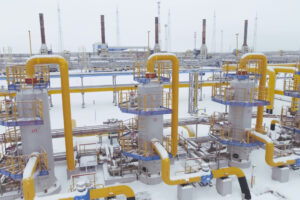
Liquefied Natural Gas (LNG) is natural gas that has been cooled to around -162°C. It changes the state of the gas from gaseous to liquid and also decreases the volume of the gas to almost 600 times. This makes it easy for companies to store and transport the natural gas. LNG has become an important part of the energy industry all over the world. The use of compressors is common along the LNG chain.
Compressor valves play an important role in the compressor systems used for liquefied natural gas. These valves regulate the intake and release of the gas during each compression cycle. Good quality compressor valves help enhance the flow of gas as well as keep the pressure constant. Additionally, good quality compressor valves help conserve energy and prevent gas leaks. The compressors used in LNG plants work in tough conditions. They have to deal with cryogenic temperatures and high pressures.
Spare parts for compressors can significantly enhance the efficiency and durability of your compressor. Some of these parts include the valve plate, the valve assembly, the compressor valve springs, the thermoplastic valves, the metallic valve plates and rings, the piston rings, the rider bands, the rod sealing rings, the packing cases, the bearings bushes, the gaskets, the sealing parts, and the compressor kits. These parts reduce wear and increase the sealing capability of the equipment.
LNG facilities use different compressor technologies based on operating requirements. Common options include centrifugal compressors, reciprocating compressors, and process gas compressors. Operators use these systems during natural gas liquefaction, boil-off gas recovery, LNG storage, marine transportation, regasification, and pipeline injection. Reliable compressor valves and spare parts help maintain safe and efficient operations throughout these processes.
The LNG industry focuses on efficiency, safety, and environmental performance. Advanced compressor valve designs improve gas compression and reduce energy consumption. High-quality compressor spare parts increase equipment reliability and reduce maintenance costs. In addition, routine inspections help identify potential issues before they become major failures. Predictive maintenance and condition monitoring further improve compressor performance and equipment availability.
LNG produces fewer emissions than many conventional fuels. Industries use LNG for power generation, manufacturing, marine transportation, mining operations, and commercial transportation. Many remote locations also rely on LNG for dependable energy. These applications require reliable compressor systems that can operate continuously. High-performance compressor valves and compressor spare parts help maintain that reliability.
Airpack Compressor Technologies manufactures premium-quality compressor valves and compressor spare parts for LNG, natural gas, and process gas compression systems. Our precision-engineered components improve compressor efficiency and reliability. They also reduce operating costs and extend equipment life. LNG operators worldwide trust our solutions for demanding compression applications.