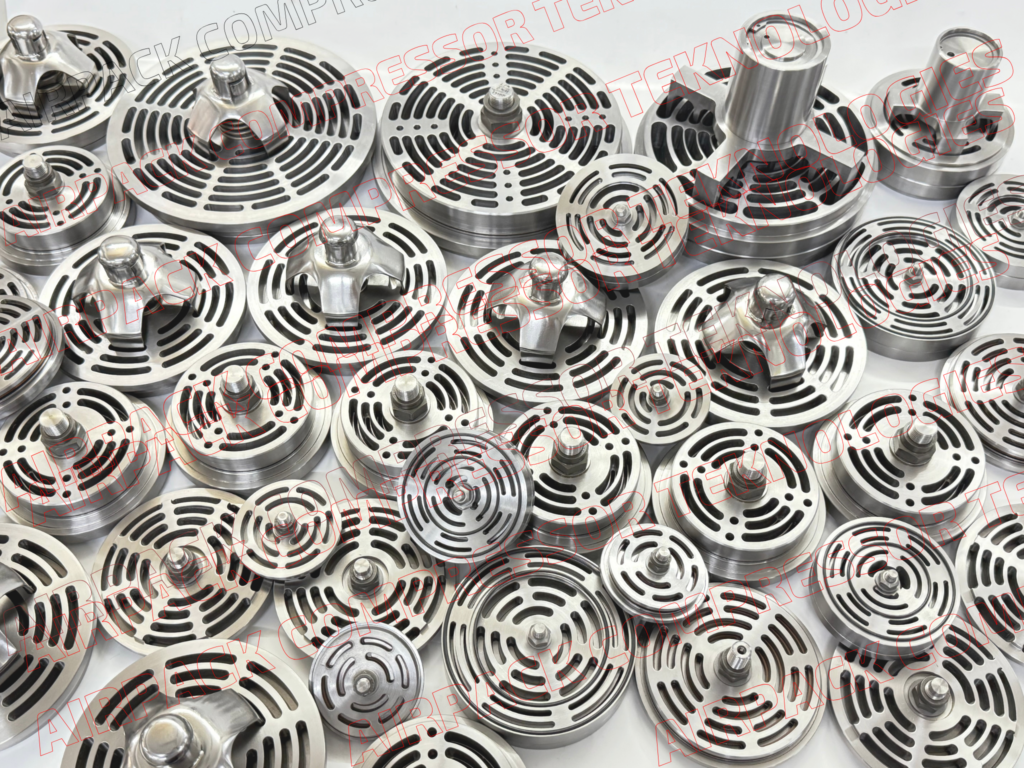
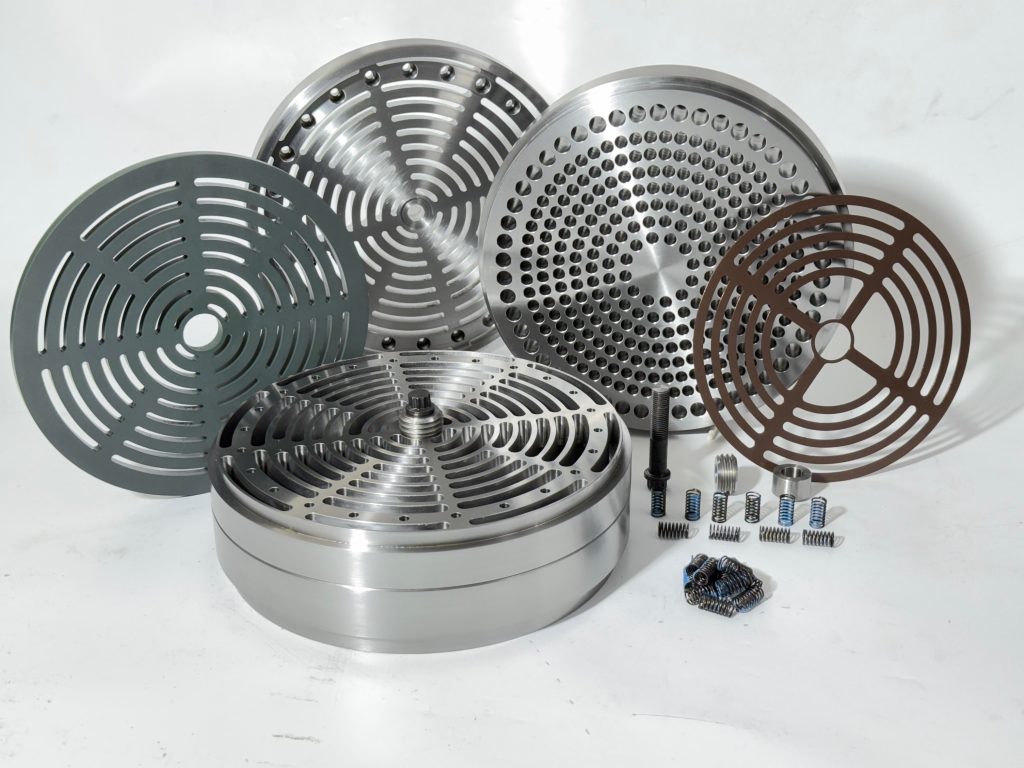
Industrial compressors are vital in industries like oil & gas, petrochemicals, electricity production, manufacturing, pharmaceuticals, food processing, mining, and chemical processing industries. The efficiency of these industrial compressors largely relies on the quality of their components. Here is where the manufacturing of compressor spare parts comes into play.
Whether replacing worn-out components or improving compressor performance, precision-manufactured spare parts help reduce downtime, increase operational efficiency, and extend equipment life. High-quality Industrial Compressor Components are engineered to withstand high pressure, elevated temperatures, continuous operation, and demanding industrial environments.
Modern manufacturers use advanced CNC machining, precision inspection systems, premium-grade raw materials, and rigorous quality control to produce components that meet OEM specifications. These include valve assemblies, piston rings, packing rings, compressor valve plates, springs, bushes, bearings, piston rods, and numerous customized compressor parts.
For industries that rely on uninterrupted production, investing in premium Compressor Spare Parts Manufacturing is not just a maintenance decision—it is a strategic investment that improves productivity while reducing long-term operating costs.
What is Compressor Spare Parts Manufacturing?
Compressor Spare Parts Manufacturing refers to the design, engineering, machining, heat treatment, inspection, and production of precision components used in compressors. These spare parts are manufactured to replace worn components, maintain operational efficiency, and restore compressors to their original performance.
A professional Compressor Spare Parts Manufacturer focuses on producing components that match or exceed OEM standards. Every spare part must maintain tight dimensional tolerances, excellent wear resistance, corrosion resistance, and long service life.
Modern manufacturing facilities combine engineering expertise with advanced technology to ensure consistent product quality.
Objectives of Compressor Spare Parts Manufacturing.
The objectives are as follows:
- Increase the efficiency of the compressor
- Reduce the downtime of the machine
- Increase the life of the machine
- Cut down the maintenance cost
- Ensure safety in operation
- Compliance with OEM Specifications
- Industrial customization
Why OEM Quality Matters.
Many industries prefer OEM Compressor Spare Parts because they provide:
- Accurate dimensions
- Reliable performance
- Longer operational life
- Better sealing efficiency
- Reduced energy consumption
- Lower maintenance frequency
Types of Compressor Spare Parts.
Industrial compressors contain hundreds of precision-engineered components. Each part performs a specific function that directly affects compressor efficiency.
1. Valve Assemblies
A Valve Assembly Manufacturer produces one of the most important compressor components. Valve assemblies regulate airflow during compression while maintaining system efficiency.
Applications include:
- Reciprocating compressors
- Process gas compressors
- Hydrogen compressors
- Air compressors
Benefits:
- High efficiency
- Longer service life
- Reduced leakage
- Lower energy consumption
2. Compressor Valve Plates
Compressor Valve Plates control airflow during suction and discharge cycles.
Common materials include:
- Stainless Steel
- Thermoplastic materials
- Carbon steel
- High-performance polymers
Features include:
- Excellent fatigue resistance
- High wear resistance
- Precision machining
- Long operating cycles
3. Piston Rings for Compressors
Piston Rings for Compressors provide sealing between the piston and cylinder.
Functions include:
- Preventing gas leakage
- Maintaining compression efficiency
- Reducing oil consumption
- Extending compressor life
Available materials:
- PTFE
- Bronze-filled PTFE
- Carbon-filled PTFE
- Cast Iron
- Engineering plastics
4. Packing Rings
Packing rings provide dynamic sealing around piston rods.
Benefits include:
- Reduced gas leakage
- Longer equipment life
- Better sealing efficiency
- Improved operational reliability
5. Springs for Compressors
Valve springs ensure smooth opening and closing of compressor valves.
Advantages:
- High fatigue strength
- Consistent elasticity
- Corrosion resistance
- Long operational life
6. Bearings and Bushes
Bearings and bushes reduce friction between moving parts.
Major advantages include:
- Reduced wear
- Better load handling
- Lower maintenance
- Improved machine stability
7. Piston Rods
Precision-machined piston rods are designed for high-pressure industrial applications.
Important characteristics include:
- Mirror finish
- High tensile strength
- Corrosion resistance
- Accurate dimensions
8. Customized Compressor Components
Many industries require tailor-made Precision Engineered Compressor Components designed specifically for their compressor models.
Customized components include:
- Special valve assemblies
- Custom springs
- Wear rings
- Metallic valve plates
- Thermoplastic valve plates
- Compressor accessories
- Special sealing components
Manufacturing Process of Compressor Spare Parts.
Producing reliable High Quality Compressor Spare Parts requires advanced manufacturing technology combined with strict quality assurance procedures.
Engineering & Product Design
Every component begins with detailed engineering drawings and CAD models.
The design process includes:
- 3D modelling
- Tolerance analysis
- Material selection
- Performance simulation
- Reverse engineering when required
Raw Material Selection
Premium raw materials determine the durability of Industrial Air Compressor Parts.
Manufacturers typically source:
- Stainless Steel
- Alloy Steel
- Carbon Steel
- PTFE
- Bronze
- Brass
- Engineering plastics
- High-performance polymers
Each batch undergoes material certification and inspection before machining.
Precision CNC Machining
Modern CNC machines manufacture compressor components with micron-level accuracy.
Processes include:
- CNC Turning
- CNC Milling
- Grinding
- Honing
- Drilling
- Surface finishing
This ensures every Compressor Replacement Part meets precise dimensional requirements.
Heat Treatment
Heat treatment enhances:
- Hardness
- Wear resistance
- Fatigue strength
- Mechanical properties
Common methods include:
- Annealing
- Tempering
- Hardening
- Stress relieving
Surface Treatment
Surface finishing improves durability and corrosion resistance.
Popular treatments include:
- Polishing
- Chrome plating
- Black oxide coating
- Phosphate coating
- Passivation
Quality Inspection
Each component undergoes comprehensive testing before dispatch.
Inspection methods include:
- Dimensional inspection
- Hardness testing
- Material verification
- Surface finish inspection
- Pressure testing
- Performance testing
- Visual inspection
Only approved components proceed to packaging.
Packaging & Delivery
Proper packaging prevents damage during transportation.
Manufacturers use:
- Anti-rust coating
- Protective wrapping
- Wooden boxes
- Foam packaging
- Export-grade cartons
This ensures Air Compressor Spare Parts reach customers safely and are ready for installation.
Why OEM Quality Matters
Many industries prefer OEM Compressor Spare Parts because they provide:
- Accurate dimensions
- Reliable performance
- Longer operational life
- Better sealing efficiency
- Reduced energy consumption
- Lower maintenance frequency
Materials Used in Compressor Spare Parts Manufacturing.
The performance and lifespan of compressor components depend heavily on the quality of raw materials used during Compressor Spare Parts Manufacturing. Selecting the right material ensures durability, wear resistance, corrosion protection, and reliable performance under high-pressure operating conditions.
Manufacturers carefully choose materials based on the compressor type, operating temperature, pressure, and the gas or air being compressed.
Stainless Steel
Stainless steel is the most widely used material for Industrial Compressor Components due to its excellent corrosion resistance and strength properties.
Applications
- Compressor Valve Plates
- Valve Assemblies
- Springs
- Fasteners
- Precision machined components
Advantages
- Corrosion resistant
- High tensile strength
- Long lifespan
- Low maintenances
- Industrial grade material
Alloy Steel
Alloy steel offers superior strength and fatigue resistance, making it ideal for components subjected to continuous mechanical stress.
Common Uses
- Piston rods
- Bearings
- Bushes
- Heavy-duty compressor parts
Benefits
- Excellent wear resistance
- Improved toughness
- High load-bearing capacity
- Longer operational life
PTFE and Engineering Polymers
Modern Reciprocating Compressor Spare Parts frequently use PTFE and other advanced engineering plastics because of their excellent sealing characteristics and low friction.
Components Manufactured
- Packing Rings
- Piston Rings for Compressors
- Rider Rings
- Wear Rings
- Guide Rings
Advantages
- Self-lubricating
- Excellent chemical resistance
- Low friction coefficient
- High temperature resistance
- Reduced maintenance requirements
Bronze and Brass
The parts made of bronze have very good antifriction characteristics and are widely used in places where motion is important.
The common uses are:
Bushes
Bearings
Guide elements
Spring Steel
High-grade spring steel is used to manufacture Springs for Compressors that maintain consistent valve movement even after millions of operating cycles.
Key properties include:
- High fatigue strength
- Elasticity
- Heat resistance
- Long operational life
Industries That Use Compressor Spare Parts.
Almost all industrial sectors depend on the compressor for production, manufacturing, or electricity generation. Therefore, the global requirement for High Quality Compressor Spare Parts is expected to rise further.
Oil & Gas Sector
In the oil refinery or gas plant, large industrial compressors keep working without any breakage in difficult environments.
Some common spare parts used are:
Valve sets
Packing rings
Piston rings
Valves of compressor
Petrochemical Plants
Petrochemical industries require highly reliable Compressor Maintenance Parts to ensure safe handling of gases and chemicals.
Applications include:
- Process gas compressors
- Hydrogen compressors
- Nitrogen compressors
- Ethylene plants
Pharmaceutical Industry
The manufacturing of pharmaceuticals needs uncontaminated compressed air systems.
Industries look for precision-designed parts because they provide:
High reliability
Proper sealing
Increased maintenance intervals
Food & Beverage Industry
The use of compressed air is crucial in food production and packaging.
Good quality spare parts will ensure:
Maintaining hygiene standards
Efficient operations
Minimized downtime
Chemical Industry
Chemical processing plants often operate under corrosive conditions.
Manufacturers therefore recommend:
- Stainless steel components
- PTFE sealing rings
- Corrosion-resistant valve plates
Cement and Mining
Mining and cement plants use compressors in extremely dusty environments.
Durable Industrial Air Compressor Parts improve reliability while reducing maintenance costs.
Manufacturing Industry
Factories use compressed air for automation, pneumatic tools, robotics, and production equipment.
Reliable Compressor Replacement Parts help maximize productivity and reduce unexpected equipment failures.
Benefits of High-Quality Compressor Spare Parts.
Choosing premium spare parts offers significant operational and financial advantages.
Improved Equipment Performance
Precision-engineered components restore compressor efficiency by reducing leakage and improving compression performance.
Minimized Downtime
Spare parts will help avoid any breakdown and ensure higher availability.
Advantages are:
Less breakage
Faster maintenance
Greater efficiency in production
Longer Equipment Life
Premium Compressor Repair Parts reduce wear on moving components, extending the overall lifespan of industrial compressors.
Lower Operating Costs
Although premium parts may have a higher initial cost, they reduce long-term expenses through:
- Lower maintenance costs
- Reduced energy consumption
- Fewer replacements
- Improved productivity
Better Energy Efficiency
Accurately manufactured valve assemblies, piston rings, and packing rings improve sealing performance, reducing energy losses.
Enhanced Safety
Poor-quality spare parts can fail unexpectedly under pressure.
Quality components improve:
- Operational safety
- Equipment reliability
- Process stability
How to Choose the Right Compressor Spare Parts Manufacturer.
Selecting the right Compressor Spare Parts Manufacturer is one of the most important decisions for industrial buyers.
Evaluate Manufacturing Experience
Look for manufacturers with extensive experience in Compressor Spare Parts Manufacturing and expertise across multiple compressor brands.
Experienced manufacturers generally provide:
- Better engineering support
- Consistent quality
- Customized solutions
- Reliable after-sales service
Check Manufacturing Facilities
Modern production facilities should include:
- CNC machining centers
- Precision grinding
- Coordinate Measuring Machines (CMM)
- Material testing laboratories
- Quality inspection equipment
Verify Quality Standards
Choose manufacturers that comply with recognized quality systems.
Important certifications include:
- ISO 9001
- Material traceability
- Inspection reports
- Quality documentation
Product Range
A reliable Compressor Parts Supplier should manufacture a complete range of products, including:
- Valve Assemblies
- Compressor Valve Plates
- Piston Rings
- Packing Rings
- Bearings
- Bushes
- Springs
- Compressor Accessories
- OEM Compressor Spare Parts
Engineering Support
Technical support is essential for selecting the correct replacement parts.
A capable manufacturer should offer:
- Reverse engineering
- Custom manufacturing
- Material recommendations
- Design improvements
- Installation guidance
Delivery Capability
Timely delivery reduces production losses.
Evaluate the supplier’s:
- Inventory management
- Export capability
- Packaging standards
- Lead times
Why Quality Matters in Compressor Spare Parts Manufacturing.
Quality is the foundation of reliable compressor performance.
Low-quality spare parts often lead to:
- Air leakage
- Excessive vibration
- Frequent breakdowns
- Increased maintenance costs
- Reduced efficiency
- Higher energy consumption
In contrast, Precision Engineered Compressor Components deliver consistent performance even in demanding industrial environments.
Characteristics of High-Quality Spare Parts.
Dimensional Accuracy
Precision machining ensures perfect compatibility with existing compressor systems.
Material Integrity
Premium raw materials improve durability and wear resistance.
Surface Finish
A good finish decreases friction and improves efficiency.
Complete Testing
Good manufacturers test all parts prior to shipping to ensure their dependability in the real world.
Quality Compressor Spare Parts Manufacturing saves you money in the long run.
Compressor Maintenance Tips
Regular maintenance extends compressor life and reduces unexpected downtime.
Follow Preventive Maintenance Schedules
Inspect compressors according to the manufacturer’s recommendations rather than waiting for failures.
Replace Worn Components Promptly
Replace damaged:
- Valve plates
- Packing rings
- Piston rings
- Springs
- Bearings
before they affect other critical components.
Monitor Operating Conditions
Regularly check:
- Temperature
- Pressure
- Lubrication
- Vibration
- Air leakage
Early detection helps prevent costly repairs.
Use Genuine OEM Compressor Spare Parts
Using OEM Compressor Spare Parts ensures compatibility, reliability, and long-term performance.
Keep Spare Parts in Inventory
Critical industries should maintain stock of essential Compressor Maintenance Parts to reduce emergency downtime.
Recommended inventory includes:
- Valve assemblies
- Packing rings
- Springs
- Piston rings
- Compressor valve plates
- Bearings
- Bushes
Conclusion
Industrial compressors are essential assets across a wide range of industries, and their performance depends on the quality of every internal component. From valve assemblies and compressor valve plates to piston rings, packing rings, springs, and other precision-engineered parts, selecting the right spare components directly impacts efficiency, reliability, and equipment lifespan.
Investing in professional Compressor Spare Parts Manufacturing ensures every component is produced using premium materials, advanced CNC machining, strict quality control, and engineering expertise. High-quality spare parts reduce downtime, lower maintenance costs, improve energy efficiency, and deliver long-term operational value.
Whether you require OEM Compressor Spare Parts, customized Reciprocating Compressor Spare Parts, or complete industrial compressor solutions, partnering with an experienced Compressor Spare Parts Manufacturer is the key to maintaining peak equipment performance.
Contact Airpack Compressor Teknologies Pvt. Ltd.
If you’re looking for reliable Compressor Spare Parts Manufacturing, Airpack Compressor Teknologies Pvt. Ltd. offers precision-engineered compressor components designed for superior performance, durability, and long service life.
Our product range includes:
- Valve Assemblies
- Compressor Valve Plates
- Piston Rings
- Packing Rings
- Springs
- Bearings & Bushes
- Compressor Accessories
- OEM Compressor Spare Parts
- Customized Industrial Compressor Components
Contact our team today to discuss your requirements and receive customized compressor spare part solutions tailored to your industrial applications.
Frequently Asked Questions (FAQs)
1. What is Compressor Spare Parts Manufacturing?
Compressor Spare Parts Manufacturing is the process of designing, machining, testing, and producing precision-engineered components used in industrial compressors. These spare parts are manufactured to OEM standards or customized specifications to ensure reliable performance, improved efficiency, and extended equipment life.
2. What are the most commonly used compressor spare parts?
The most common Industrial Compressor Components include:
- Valve Assemblies
- Compressor Valve Plates
- Piston Rings for Compressors
- Packing Rings
- Rider Rings
- Springs for Compressors
- Bearings and Bushes
- Piston Rods
- Compressor Accessories
Each component plays a vital role in maintaining compressor performance and minimizing downtime.
3. Why should I choose OEM Compressor Spare Parts?
OEM Compressor Spare Parts are manufactured according to original equipment specifications, ensuring perfect fit, superior reliability, and longer service life. They also reduce maintenance costs and improve compressor efficiency compared to low-quality alternatives.
4. Which industries use compressor spare parts?
Many industries rely on Compressor Spare Parts Manufacturing, including:
- Oil & Gas
- Petrochemical
- Power Generation
- Chemical Processing
- Pharmaceutical
- Food & Beverage
- Cement
- Mining
- Steel
- General Manufacturing
These industries depend on high-quality spare parts for uninterrupted operations
5. How do I choose the right Compressor Spare Parts Manufacturer?
When selecting a Compressor Spare Parts Manufacturer, consider:
- Manufacturing experience
- ISO-certified quality systems
- Advanced CNC machining facilities
- Material quality
- Engineering support
- Custom manufacturing capabilities
- On-time delivery
- After-sales service
A trusted manufacturer will provide reliable products and long-term technical support.
6. Which materials are commonly used in compressor spare parts?
High-performance spare parts are manufactured using:
- Stainless Steel
- Alloy Steel
- PTFE
- Bronze
- Brass
- Spring Steel
- Engineering Plastics
- High-performance Polymers
The choice of material depends on operating pressure, temperature, and application requirements.
7. How often should compressor spare parts be replaced?
Replacement intervals depend on operating conditions, maintenance practices, and equipment usage. Components such as Packing Rings, Piston Rings, Valve Plates, and Springs for Compressors should be inspected regularly and replaced whenever excessive wear is detected.
8. What are the advantages of precision-engineered compressor components?
Precision Engineered Compressor Components provide:
- Higher operational efficiency
- Reduced energy consumption
- Lower maintenance costs
- Longer equipment lifespan
- Better sealing performance
- Improved operational safety
- Reduced downtime
These advantages make them a cost-effective investment for industrial applications.
9. Can compressor spare parts be customized?
Yes. Experienced manufacturers offer customized Reciprocating Compressor Spare Parts based on customer drawings, samples, reverse engineering, or OEM specifications. Customized solutions help meet unique industrial requirements while maintaining high performance and reliability.
10. Why is preventive maintenance important for compressors?
Preventive maintenance helps identify worn components before they fail. Replacing Compressor Repair Parts on time minimizes unplanned downtime, improves equipment efficiency, extends compressor life, and reduces overall operating costs.