Introduction
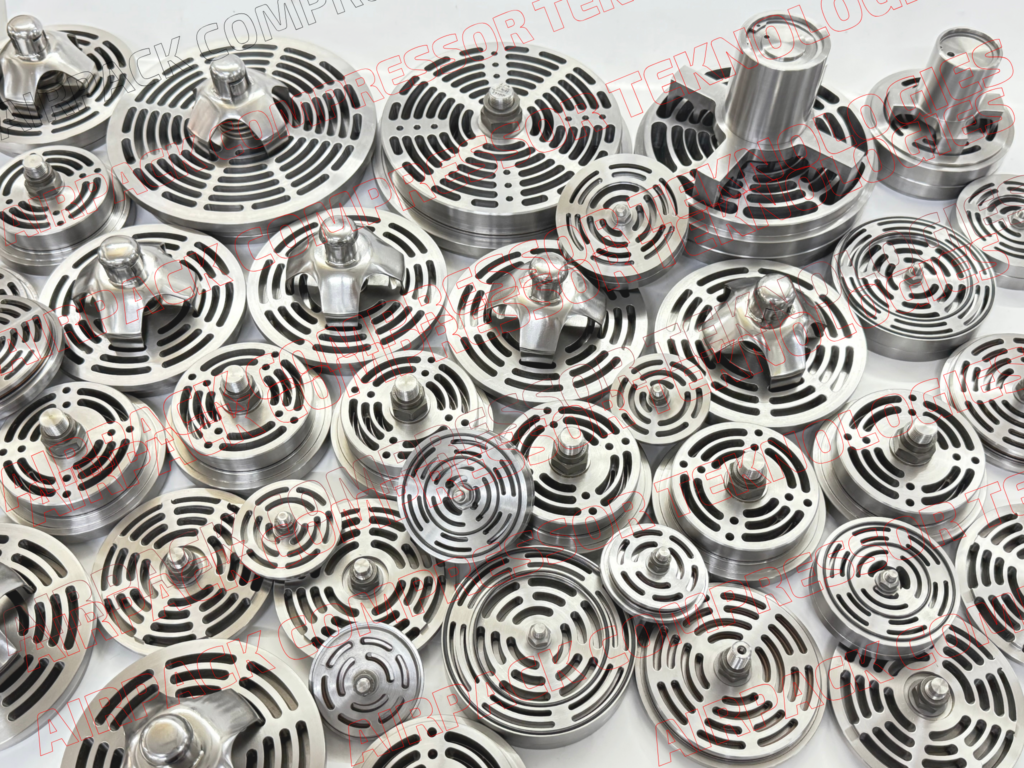
In industrial air compression systems, reciprocating compressors play a critical role in maintaining operational efficiency across multiple industries such as manufacturing, oil & gas, automotive, chemical processing, and power plants. Among the most important components of these compressors are the suction and discharge valves in reciprocating compressor systems.
These valves directly control airflow, compression efficiency, pressure management, and overall compressor performance. Even a small valve malfunction can reduce compressor efficiency, increase energy consumption, and lead to costly downtime.
At Airpack Compressor Teknologies Pvt. Ltd., we manufacture and supply reciprocating compressor valve components and spare parts for industrial applications in India and international markets, we provide durable and precision-engineered compressor spare parts for domestic and international industries across India, Germany, Europe, the USA, and the UK.
This detailed guide explains the working principle, types, benefits, applications, maintenance, and selection process of suction and discharge valves in reciprocating compressors.
What Are Suction and Discharge Valves in a Reciprocating Compressor?
Suction valves and discharge valves are flow control mechanisms that are used within the cylinder head of the compressor. The major role of these two valves is to control the entry and exit of air or gas during compression.
Functions of the Compressor Valves
Suction Valve
The suction valve enables atmospheric air or gas to enter the cylinder of the compressor during the suction stroke.
Discharge Valve
The discharge valve facilitates the exit of compressed air or gas from the cylinder of the compressor.
These two valves operate automatically due to pressure differentials within the cylinder.
How Do Suction and Discharge Valves Work?
Knowledge of the functioning process of reciprocating compressor valves enables companies to operate at maximum efficiency without any mechanical problems.
Working of Suction Valve
When the piston moves down:
Pressure inside the cylinder reduces
Pressure is less than that at the inlet
Suction valve opens by itself
Air or gas goes into the cylinder
As soon as the piston moves up, the pressure rises and the suction valve shuts itself.
Working Principle of Discharge Valve.
When the piston compresses air:
Cylinder pressure becomes higher than discharge pressure
Discharge valve opens
Air is discharged from the cylinder
Once the discharge process is complete, the valve is closed to avoid reverse flow.
Difference Between Suction Valve and Discharge Valve in a Reciprocating Compressor
Suction and discharge valves perform different functions in a reciprocating compressor. The suction valve allows air or gas to enter the cylinder, while the discharge valve releases compressed air or gas after the required pressure is reached. Understanding their differences helps in identifying valve problems and maintaining efficient compressor operation.
| Suction Valve | Discharge Valve |
|---|---|
| Allows air or gas to enter the compressor cylinder. | Allows compressed air or gas to exit the cylinder. |
| Opens when cylinder pressure falls below inlet pressure. | Opens when cylinder pressure exceeds discharge pressure. |
| From the inlet into the compressor cylinder. | From the compressor cylinder to the discharge line. |
| Closes when cylinder pressure rises above inlet pressure. | Closes when cylinder pressure falls below discharge pressure. |
| Reduced intake, lower compressor capacity, abnormal noise, or leakage. | Reduced discharge pressure, overheating, increased power consumption, or leakage. |
| Inspect valve plates, sealing surfaces, springs where applicable, and deposits. | Inspect valve plates, sealing surfaces, springs where applicable, and signs of overheating or deposits. |
Both valves are essential for the proper functioning of a reciprocating compressor. Their inspection and maintenance should follow the compressor manufacturer’s recommendations and the specific operating conditions of the equipment.
Technical Factors to Consider When Selecting Reciprocating Compressor Valves
Selecting the right suction and discharge valves for a reciprocating compressor requires more than checking the valve size. Operating pressure, gas composition, temperature, valve design, material compatibility, and the compressor manufacturer’s specifications must all be considered. The correct combination helps maintain reliable operation and reduces the risk of premature valve failure.
1. Operating Conditions and Valve Performance
Compressor valves operate under repeated pressure changes and cyclic loading. Their performance depends on the compressor’s operating conditions and the properties of the gas being compressed.
Before selecting or replacing a valve, consider:
- Suction and discharge pressure: The valve must be suitable for the pressure conditions specified for the compressor cylinder and service.
- Operating temperature: Temperature affects material suitability, sealing performance, and the durability of valve components.
- Gas composition: The presence of moisture, oil, corrosive compounds, or other contaminants can influence material selection and maintenance requirements.
- Operating speed and duty cycle: Frequent cycling and continuous operation can increase the importance of fatigue resistance and correct valve design.
For example, a compressor handling process gas may require different material compatibility considerations from a compressor handling clean air. Always verify the operating conditions against the compressor manufacturer’s specifications before selecting a replacement valve.
2. Valve Plate Inspection: What Should Be Checked?
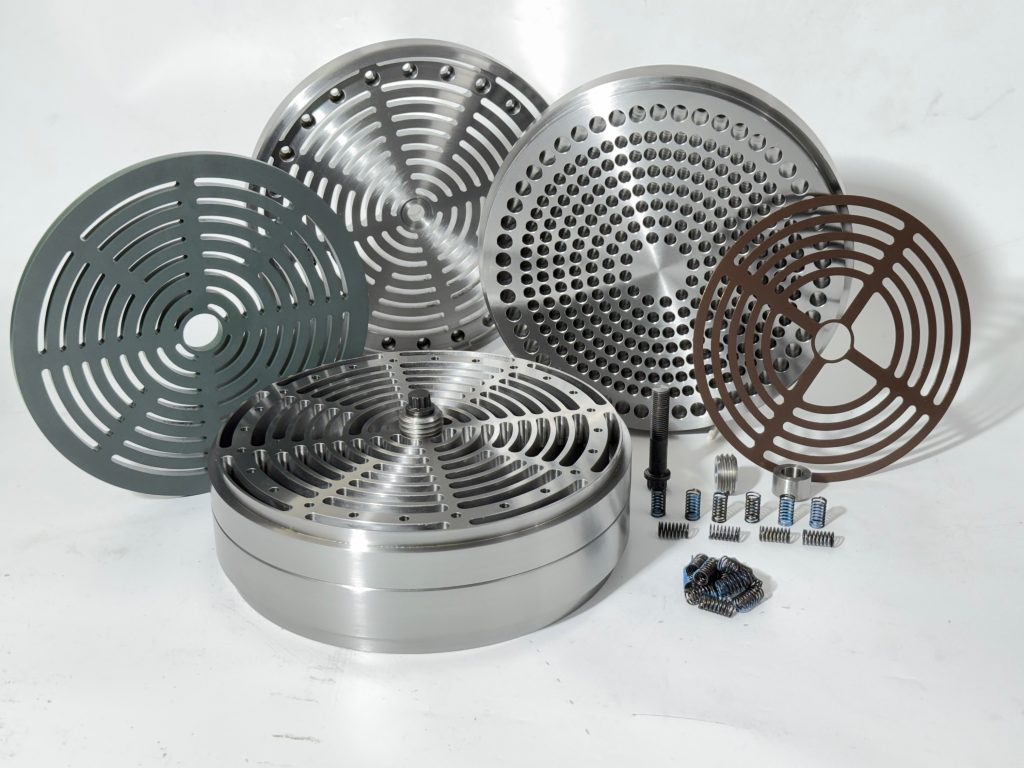
Valve plates are important sealing components in many reciprocating compressor valve designs. Wear, damage, or deposits can affect sealing and compressor performance. During an inspection, qualified maintenance personnel should check the following:
- Cracks or fractures: Look for visible damage that may affect the valve plate’s strength or operation.
- Wear and surface damage: Check for scoring, uneven wear, or damaged sealing surfaces.
- Deposits and contamination: Inspect for carbon deposits, oil residue, or other material that could restrict valve movement or prevent proper sealing.
- Distortion or deformation: Check for signs that the plate has changed shape due to operating conditions or damage.
- Related components: Where applicable, inspect springs, seats, guards, and other valve assembly components according to the manufacturer’s maintenance procedure.
If a valve plate is damaged, do not assume that replacing the plate alone will solve the problem. The complete valve assembly and the underlying cause of the damage may also need to be assessed.
3. Choosing the Right Valve Plate Material
Valve plate material should be selected according to the compressor design, operating conditions, gas compatibility, and manufacturer’s recommendations. Different materials have different mechanical and chemical properties.
- Metallic valve plates: Depending on the grade and design, metallic materials may be suitable for applications requiring specific strength, fatigue resistance, and temperature performance.
- Thermoplastic valve plates: Certain engineering thermoplastics may offer useful wear, weight, and chemical-resistance characteristics in applications for which they are approved.
Neither material is universally better for every compressor. The appropriate choice depends on the original valve design, service conditions, and compatibility requirements. Always confirm the material grade and application suitability before ordering a replacement.
4. Replacement Compatibility: Check Before Ordering
A replacement valve or valve plate should not be selected on appearance alone. Even components that look similar may differ in dimensions, design, or operating characteristics.
Before placing an order, confirm:
- Compressor manufacturer and model.
- Original valve or assembly part number, where available.
- Valve dimensions and mounting arrangement.
- Suction or discharge service.
- Required material and operating specifications.
- Compatibility with the existing valve assembly and compressor design.
For example, if a valve plate has failed repeatedly, replacing it with a visually similar component without checking its material, dimensions, and operating conditions may not address the original problem.
Providing the compressor model, existing part number, dimensions, and operating details to the component supplier can help establish whether a proposed replacement is suitable. Final compatibility should be confirmed against the equipment manufacturer’s requirements.
5. When Should a Compressor Valve Be Replaced?
Replacement may be necessary when inspection identifies cracks, significant wear, deformation, damaged sealing surfaces, or other defects beyond the manufacturer’s allowable limits. Persistent leakage, reduced compressor capacity, unusual valve noise, or abnormal operating temperatures may also indicate a problem that requires investigation.
These symptoms do not automatically prove that a valve is faulty. Maintenance personnel should inspect the valve and related compressor components to identify the actual cause before replacing parts.
Following the manufacturer’s inspection intervals, maintenance procedures, and replacement specifications helps support reliable compressor operation.
Types of Suction and Discharge Valves
Different industrial applications require different valve designs.
Plate Valves
Plate valves are widely used in high-speed reciprocating compressors.
Features
• Lightweight design
• High durability
• Fast response
• Low maintenance
Applications
• Air compressors
• Refrigeration compressors
• Industrial gas compressors
Ring Type Valves
Ring valves use concentric rings for airflow control.
Advantages
• Better airflow capacity
• Long operational life
• Suitable for high-pressure systems
Poppet Valves
Poppet valves provide excellent sealing performance.
Benefits
• High efficiency
• Minimal leakage
• Excellent pressure handling
Common Industries
• Petrochemical plants
• Natural gas processing
• Heavy industrial systems
Common Materials Used in Compressor Valves.
The material selection directly impacts valve durability and performance.
Stainless Steel
• Corrosion-resistant
• Suitable for high temperatures
• Long-lasting performance
Carbon Steel
• Economical
• Strong mechanical properties
• Suitable for medium-pressure systems
Thermoplastic Components
Modern compressor systems may include engineered polymers for:
• Noise reduction
• Lightweight performance
• Reduced wear
Common Problems in Suction and Discharge Valves.
Compression valves are subjected to constant cycling, hence susceptible to wear.
Valve Leakage
Reasons
Faulty sealing surfaces
Presence of dirt
Poor valve installation
Consequences
Decreased efficiency
Pressure drop
Increased energy requirement
Carbon Build-Up
Foreign materials and oil can lead to carbon build-up in valves.
Results
Air flow obstruction
Lowered compressor performance
High operating temperatures
Valve Plate Damage
Continuous operation may cause:
• Cracks
• Warping
• Fatigue failure
Signs Your Compressor Valves Need Replacement.
Industries should regularly inspect reciprocating compressor valves for early warning signs.
Common Symptoms
• Excessive compressor noise
• Reduced pressure output
• Increased energy bills
• Frequent overheating
• Air leakage issues
• Vibration problems
• Slow compressor performance
Ignoring these signs can lead to complete compressor failure.
Maintenance Tips for Compressor Valves.
Proper maintenance improves valve lifespan and compressor efficiency.
Regular Inspection
Inspect valves periodically for:
• Cracks
• Corrosion
• Dirt accumulation
• Spring damage
Clean Compressor Components
Regular cleaning helps remove:
• Carbon deposits
• Oil contamination
• Dust particles
Applications of Reciprocating Compressor Valves
Suction and discharge valves are widely used across industries.
Major Industrial Applications
Manufacturing Factories
Application for pneumatic systems and machinery in manufacturing.
Oil and Gas Industry
Used in gas compression processes.
Chemical Industry
Application in high-pressure process systems.
Automotive Industry
Application for production lines and manufacturing workshops.
Refrigeration Industry
Used in refrigeration compressors.
Why Choose Airpack Compressor for Compressor Valve Parts?
Airpack Compressor is associated with Airpack Compressor Parts, delivering precision-engineered compressor spare parts for industrial applications worldwide.
Main Benefits
Top-notch manufacturing quality
Superior construction from industrial materials
Accurate engineering
Reasonable prices
Worldwide shipping capacity
Compressor valves customization
Technical support service
Our compressor valve components are used in industries in the following locations:
India
Germany
Europe
USA
UK
Canada
Future Trends in Compressor Valve Technology.
Modern businesses are increasingly focusing on energy-efficient compressors.
New technologies
Smart Monitoring System
IoT-based monitoring improves predictive maintenance.
New Materials
There is an increased use of new alloys and composite materials.
Energy Efficient Compressors
Modern valves play an important role in saving energy costs.
Low-Noise Compressor Technology
Design improvements reduce vibrations and noise levels of compressors.
Conclusion
Suction and discharge valves used in reciprocating compressor systems are some of the most important pieces that regulate airflow, control pressure, and improve efficiency of the compressor. Using good quality compressor valves ensures more efficient and smooth operations with reduced energy expenditure and low maintenance expenses.
Manufacturing, oil & gas, automotive, refrigeration, and heavy engineering industries must consider the importance of regular inspection, maintenance, and replacement of their compressor valves for improved efficiency in the long run.
For those seeking top-quality valves and plates for their reciprocating compressors, Airpack Compressor Teknologies Pvt Ltd is here to serve you across all Indian cities as well as Germany, Europe, USA, and UK.
1. Why are suction and discharge valves important in a reciprocating compressor?
Suction and discharge valves are critical components that regulate the flow of air or gas during the compression cycle. They help maintain proper pressure, prevent reverse flow, improve energy efficiency, and ensure smooth compressor operation. Faulty valves can significantly reduce compressor performance and increase operating costs.
2. What happens if a suction or discharge valve fails?
A failed compressor valve can lead to reduced airflow, pressure loss, excessive energy consumption, overheating, abnormal noise, and decreased compressor efficiency. In severe cases, valve failure can cause unplanned downtime and damage to other compressor components.
3. What is the difference between a suction valve and a discharge valve?
The suction valve allows air or gas to enter the compressor cylinder during the intake stroke, while the discharge valve releases compressed air or gas during the compression stroke. Together, they ensure efficient compression by controlling the direction of airflow.
4. How do compressor valves affect energy efficiency?
Well-maintained compressor valves minimize leakage and ensure proper sealing during operation. This allows the compressor to achieve the desired pressure with less energy consumption. Damaged or worn valves can reduce efficiency by up to 15–20%, leading to higher electricity costs.
5. Which industries commonly use reciprocating compressor valves?
Reciprocating compressor valves are widely used in industries such as oil and gas, petrochemicals, power generation, manufacturing, automotive, refrigeration, pharmaceuticals, and chemical processing, where reliable high-pressure compression is essential.