Natural gas gathering and processing form a critical part of the natural gas value chain. Operators collect natural gas from production wells and transport it to processing facilities through extensive pipeline networks. During this process, compressor systems maintain the pressure required for efficient gas transportation.
The performance of these compressor systems depends heavily on the quality of their compressor valves and compressor spare parts. High-performance compressor components improve gas flow, increase efficiency, and support reliable operation throughout the gathering and processing network.
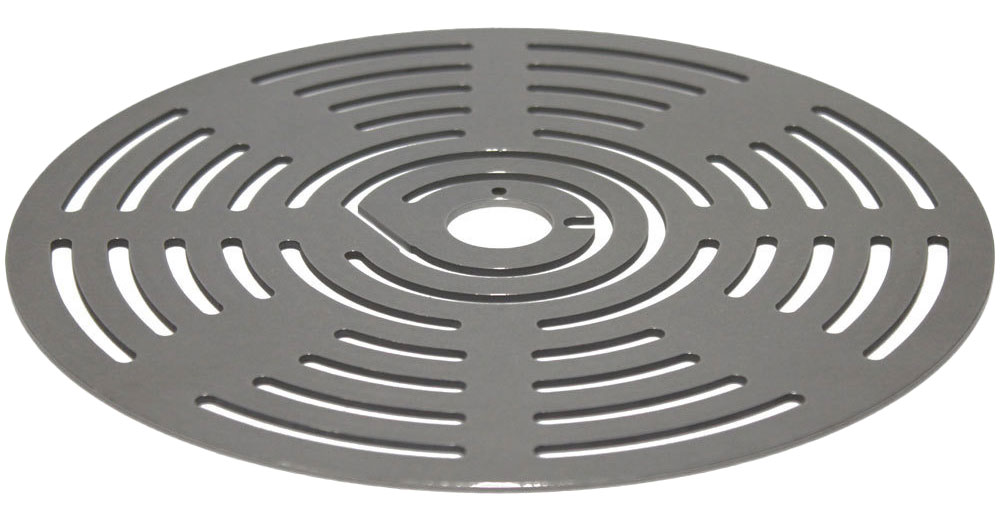
Compressor valves play a vital role in reciprocating compressors used in natural gas applications. They regulate the suction and discharge of gas during every compression cycle. Consequently, they help maintain stable pressure and efficient gas movement. High-quality compressor valves reduce energy consumption, minimize gas leakage, and improve compressor efficiency.
Natural gas compressors often operate under demanding conditions. They handle fluctuating pressures, continuous-duty cycles, and varying gas compositions. Therefore, compressor valves must deliver reliable sealing performance, long service life, and consistent operation.
In addition to compressor valves, several compressor spare parts support efficient compressor operation. These components include valve plates, valve assemblies, compressor valve springs, thermoplastic valves, metallic valve plates and rings, piston rings, rider bands, rod sealing rings, packing cases, bearings, bushes, gaskets, sealing elements, and compressor repair kits.
Together, these compressor spare parts reduce wear, improve sealing performance, and maintain compression efficiency. Furthermore, they help operators prevent unexpected shutdowns and reduce maintenance costs. Regular replacement of worn components also extends compressor life and improves overall plant reliability.
Natural gas producers extract gas from underground reservoirs using advanced drilling and production technologies. Next, gathering pipelines collect gas from multiple wells and transport it to central processing facilities. Throughout this stage, gas compressors maintain the pressure required for efficient transportation and reliable flow.
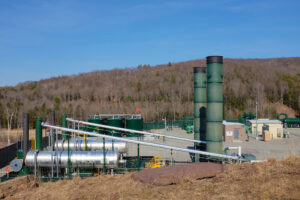
Processing facilities remove contaminants and separate valuable hydrocarbon products. First, operators remove oil, water, and solid particles from the gas stream. Next, dehydration systems eliminate moisture to prevent corrosion and hydrate formation. After that, gas sweetening units remove hydrogen sulfide (H₂S) and carbon dioxide (CO₂). Finally, fractionation systems separate valuable natural gas liquids such as methane, ethane, propane, and butane.
Throughout these operations, compressor valves and compressor spare parts help maintain efficient gas compression and reliable equipment performance.
After processing, operators transport natural gas through high-pressure transmission pipelines. Compressor stations positioned along the pipeline maintain the required operating pressure. As a result, gas continues to flow efficiently over long distances. Distribution networks then regulate pressure before delivering natural gas to residential, commercial, and industrial consumers.
Natural gas facilities prioritize safety, efficiency, and operational reliability. Therefore, operators perform routine inspections, condition monitoring, lubrication, and preventive maintenance on compressor systems. High-quality compressor valves and compressor spare parts further improve equipment reliability, reduce downtime, and lower operating costs. In addition, advanced compressor components help increase energy efficiency and extend equipment service life.
Airpack Compressor Technologies manufactures premium-quality compressor valves and compressor spare parts for natural gas gathering, processing, transmission, and pipeline compression applications. Our precision-engineered components improve compressor efficiency, enhance reliability, and support continuous operation in demanding gas processing environments. By choosing high-performance compressor components, operators can reduce maintenance costs, extend compressor life, and maximize system performance.