 Reciprocating compressors are critical assets across industries such as oil & gas, chemical processing, manufacturing, power generation, and industrial air systems. While many operators focus on pistons, cylinders, and lubrication systems, compressor valves play an equally important role in determining overall compressor performance.
Understanding how compressor valves affect compressor efficiency is essential for reducing energy consumption, minimizing downtime, and maximizing equipment reliability. Even minor valves issues can significantly impact compressor capacity, increase operating costs, and reduce system performance.
What Are Compressor Valves and Why Are They Important?
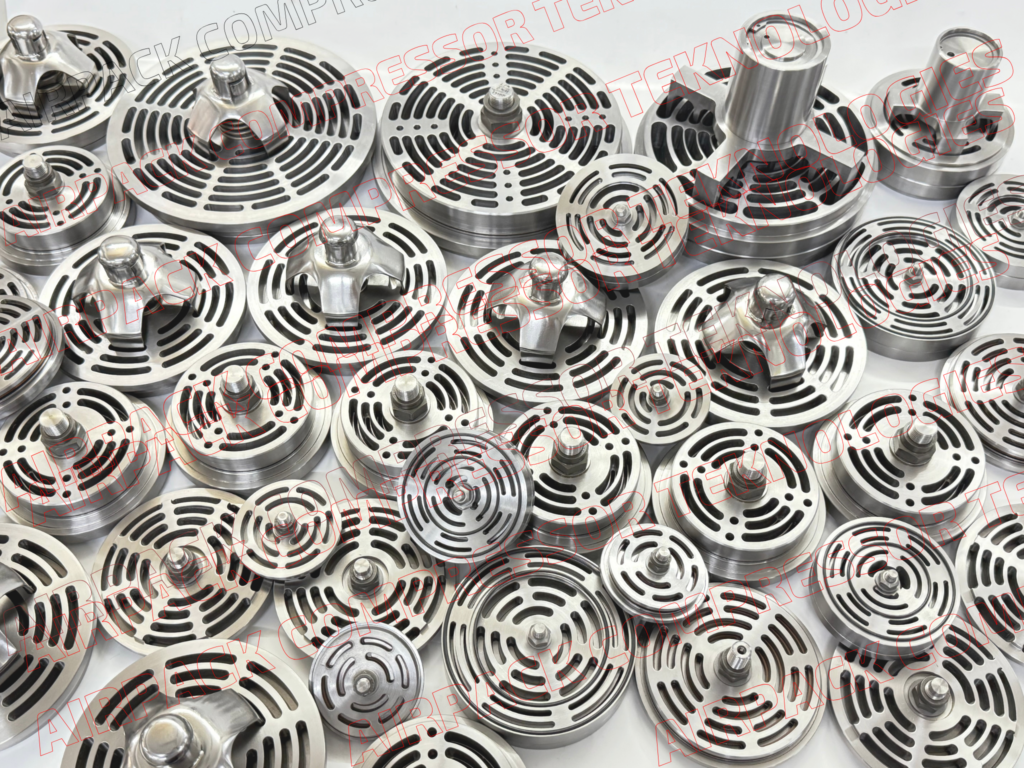
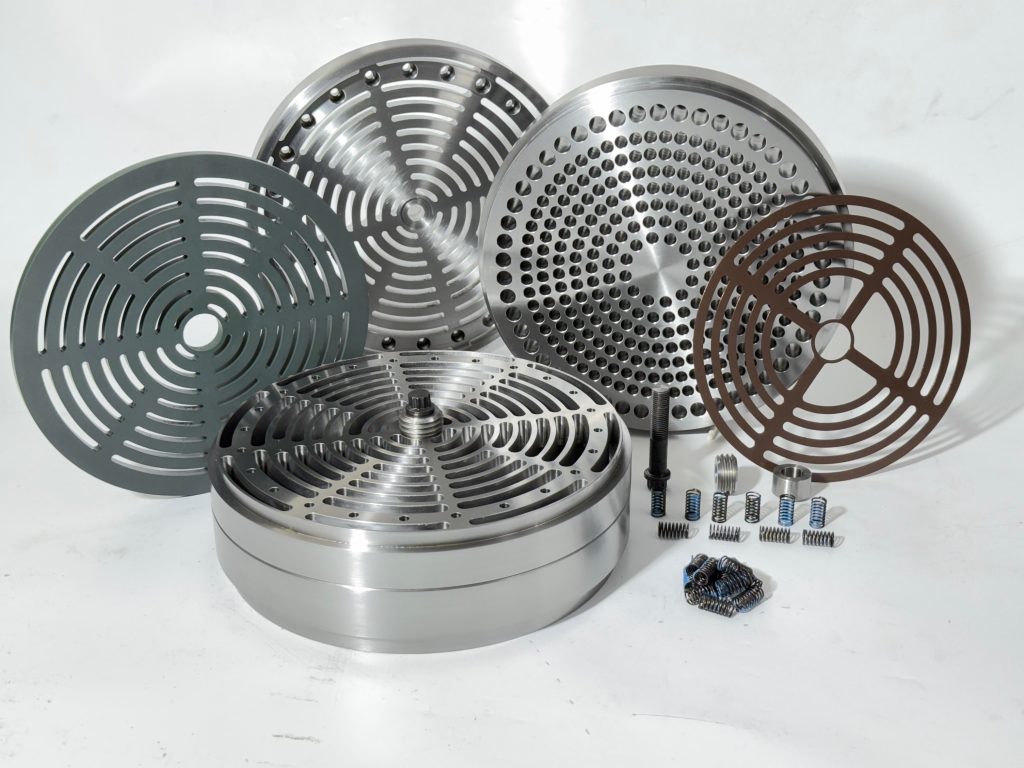
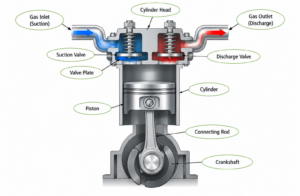
Compressor valves are precision-engineered components that regulate the flow of gas into and out of compressor cylinders. They automatically open and close based on pressure differences during the compression cycle.
The primary functions of compressor valves include:
- Controlling suction and discharge gas flow
- Maintaining proper compression pressure
- Preventing gas backflow
- Improving volumetric efficiency
- Supporting energy-efficient compressor operation
Because compressor valves operate continuously under high pressure and temperature conditions, they are among the most heavily stressed components in reciprocating compressors.
The Relationship Between Compressor Valves and Volumetric Efficiency.
Understanding Volumetric Efficiency in Reciprocating Compressors
Volumetric efficiency represents the proportion between the actual amount of gas taken into the cylinders and their theoretical volume.
Under perfect valve operation:
Gas is drawn into the cylinders without much effort
The pressure drop is low
The efficiency of compression cycle is maintained
Full efficiency of the compressor is reached
But inefficient valves can cause restrictions that will affect gas uptake.
How Valve Design Influences Gas Flow Performance
Modern compressor valves designs focus on:
- Reduced pressure loss
- Faster response times
- Improved sealing capability
- Enhanced flow characteristics
High-performance valves assemblies help maximize throughput while minimizing energy losses.
How Worn Compressor Valves Increase Energy Consumption.
Increased Pressure Loss Across Valves
As valves wear over time, they create additional resistance to gas flow.
This results in:
- Higher compression workload
- Increased motor power consumption
- Reduced compressor output
- Higher operating costs
Even small pressure losses can significantly impact overall compressor efficiency.
Gas Leakage and Reduced Compression Effectiveness.
Defective valve seats, plates, or sealings can cause gas leakage.
Effects include:
Lost gas
Low discharge pressure
Limited compression capability
More energy consumption
In most industrial plants, valves leakage is one of the common reasons for compressor inefficiency.
Common Compressor Valve Problems That Reduce Efficiency.
Valve Plate Damage
Valve plates experience constant opening and closing cycles.
Common issues include:
- Cracks
- Fatigue failure
- Warping
- Excessive wear
Damaged plates can restrict flow and increase energy losses.
Broken Valve Springs
Valve springs ensure proper valve operation during compression cycles.
When springs fail:
- Valve timing becomes inconsistent
- Flow efficiency decreases
- Compressor performance deteriorates
Carbon Deposits and Contamination
Contamination could be collected by the valves during usage.
This might lead to:
Ineffective sealing
Pressure drop
Airflow reduction
Increased maintenance expenses
Valve Seat Wear
Valve seats provide the sealing surface necessary for efficient operation.
Worn seats can cause:
- Internal leakage
- Reduced compression efficiency
- Lower system reliability
Signs Your Compressor Valves Are Affecting Efficiency.
Early detection of valve issues can prevent major performance losses.
Watch for these warning signs:
Reduced Compressor Capacity
If production output decreases despite normal operating conditions, valve performance may be compromised.
Increased Power Consumption
Rising energy bills often indicate declining compressor efficiency caused by valve wear.
Higher Operating Temperatures
Faulty valves can create excessive heat during compression.
Unusual Compressor Noise
Valve failures often produce:
- Knocking sounds
- Clicking noises
- Irregular vibrations
Frequent Maintenance Requirements
Repeated compressor issues may point to deteriorating valve components.
How Advanced Compressor Valve Technology Improves Performance.
High-Efficiency Valve Designs
Modern valve technologies are engineered to:
- Reduce pressure losses
- Improve gas flow dynamics
- Increase durability
- Extend maintenance intervals
Advanced Materials for Longer Service Life
Manufacturers are now using:
Thermoplastic valve parts
Stainless steel alloys
Highly resilient composites
Durable materials
These materials enhance valve reliability without compromising its efficiency.
Precision-Engineered Valve Assemblies
OEM-quality compressor valve assemblies provide:
- Better sealing performance
- Accurate operating characteristics
- Improved compressor reliability
- Lower lifecycle costs
Best Practices for Maintaining Compressor Valve Efficiency
Perform Regular Valve Inspections.
Routine inspections help identify:
- Wear patterns
- Cracks
- Leakage
- Component degradation
Preventive maintenance reduces unexpected downtime.
Monitor Compressor Performance Metrics
Track key indicators such as:
- Discharge pressure
- Flow rate
- Power consumption
- Cylinder temperatures
Changes often reveal valve-related issues before failure occurs.
Replace Worn Components Promptly
Delaying valve replacement can result in:
- Significant energy losses
- Increased repair costs
- Reduced equipment lifespan
Use High-Quality Compressor Spare Parts
OEM and precision-manufactured replacement parts ensure:
- Proper fit
- Reliable operation
- Consistent performance
Choosing the Right Compressor Valve Manufacturer.
Selecting an experienced compressor valves manufacturer is critical for maintaining efficiency and reliability.
Look for manufacturers that offer:
- Proven engineering expertise
- OEM-compatible valve assemblies
- Advanced testing procedures
- High-quality materials
- Custom solutions for industrial applications
Reliable manufacturers help ensure optimal compressor performance while reducing maintenance costs.
Industries That Benefit from High-Efficiency Compressor Valves
Several industries rely heavily on efficient compressor operation:
Oil and Gas Processing
- Gas gathering
- Pipeline compression
- Refinery operations
Chemical and Petrochemical Plants
- Process gas compression
- Production efficiency improvements
Manufacturing Facilities
- Industrial air systems
- Production equipment operation
Power Generation
- Gas handling systems
- Turbine support applications
Conclusion
Understanding how compressor valves affect compressor efficiency is essential for maintaining reliable and cost-effective compressor operation. These critical components regulate gas flow, influence volumetric efficiency, reduce energy losses, and directly impact overall system performance.
When compressor valves are properly designed, maintained, and replaced when necessary, organizations can achieve lower energy consumption, improved reliability, reduced downtime, and longer equipment life.
Frequently Asked Questions (FAQs)
How do compressor valves affect compressor efficiency?
Compressor valves control gas flow during the compression cycle. Efficient valves reduce pressure losses, improve sealing, increase volumetric efficiency, and lower energy consumption.
Can faulty compressor valves increase energy costs?
Yes. Worn or leaking valves force compressors to work harder, increasing power consumption and operating expenses.
What are the signs of a failing compressor valves?
Common signs include reduced capacity, higher energy usage, excessive temperatures, unusual noises, and decreased compressor performance.
How often should compressor valves be inspected?
Inspection intervals depend on operating conditions, but most industrial compressors benefit from regular preventive inspections during scheduled maintenance programs.
Why are OEM compressor valves important?
OEM-quality compressor valves provide proper fit, reliable operation, better sealing performance, and longer service life compared to lower-quality alternatives.