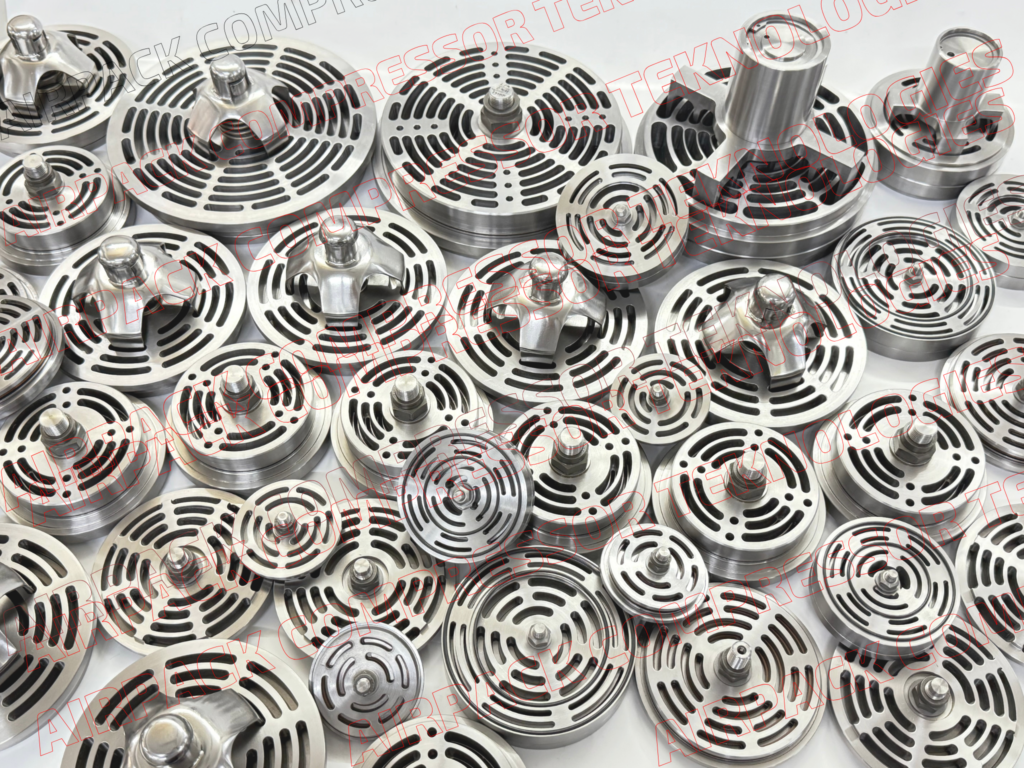
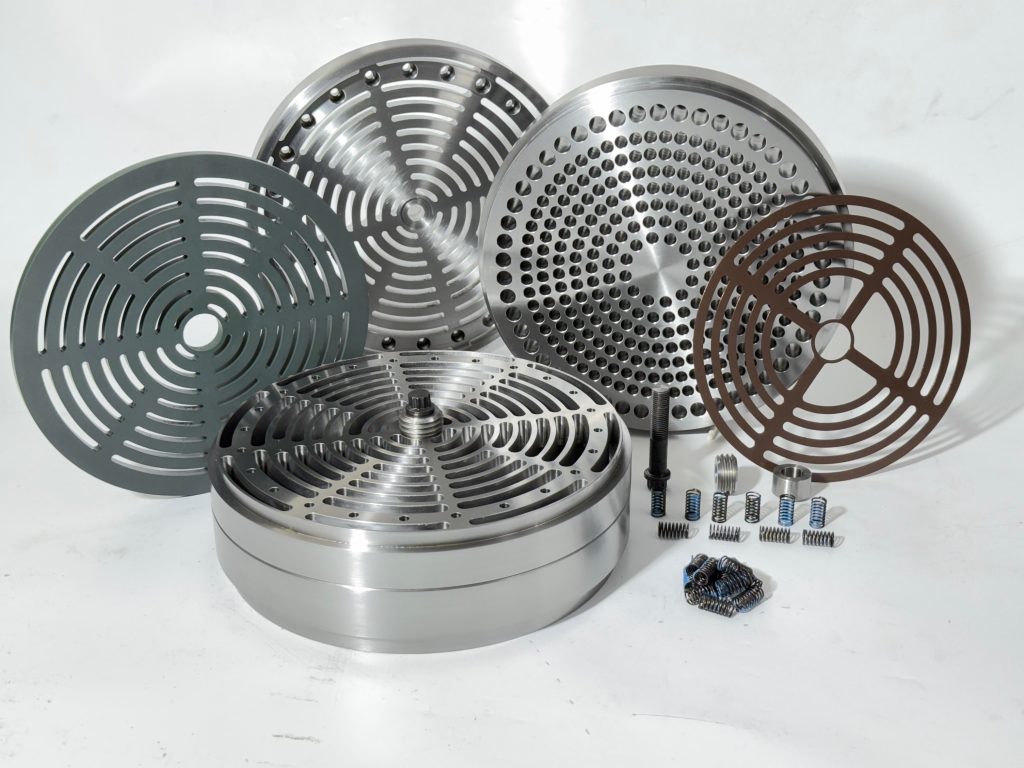
 Compression valves are one of the most important parts of a reciprocating compressor. The reason for this is that compression valves control the air or gas flow into and out of the cylinder, which influences the efficiency and performance of the whole compressor. Compression valves work constantly in high temperature and high-pressure conditions, therefore, they wear out during use.
Identifying when your compressor valve requires replacement will help you save money on expensive repairs and will ensure increased efficiency and effectiveness of your equipment.
What Does a Compressor Valve Do?
The compressor valve is responsible for controlling the suction and discharge of air/gas in the compression process. The compressor valve opens and closes automatically depending on the pressure inside the compressor cylinder.
Some of the functions of the compressor valve include:
Controlling the flow of air
Prevention of backflow
Ensuring that there is efficiency in the compression process
Helping in pressure formation
If compressor valves are damaged, the whole compression process will be inefficient.
Why Compressor Valve Condition Matters.
The performance of a reciprocating compressor heavily depends on the condition of its valves.
Healthy compressor valves provide:
- Better airflow control
- Higher volumetric efficiency
- Lower energy consumption
- Stable operating temperatures
- Reduced maintenance costs
Top Signs Your Compressor Valve Needs Replacement.
1. Decreased Capacity of the Compressor
One of the first signs that there is something wrong with your valves is decreased capacity of your compressor.
You will notice:
Less airflow rates
Less gas delivery
Decreased system efficiency
Unable to meet process requirements
Damaged valve plate or faulty valve seats cause restricted airflow and lead to decreased compressor capacity.
How It Occurs
Faulty sealing of valves leads to the leakage of compressed gas back into the cylinder.
2. Higher Consumption of Electricity
In the event that the compressor begins using more energy than normal despite the same amount of work being done, this may be due to defective valves.
Symptoms
High electricity bills
More motor load
Longer running periods
Less efficient
Damaged valves in the compressor cause the compressor to use too much energy in achieving the required pressure.
3. Unusual Compressor Noises
Abnormal sounds often indicate valve-related problems.
Listen for:
- Knocking sounds
- Clicking noises
- Rattling components
- Metallic impacts
Broken valve springs, cracked valve plates, or loose components can create unusual noises during operation.
Why Immediate Attention Is Necessary
Ignoring these sounds may result in complete valve failure and damage to other compressor components.
4. Excessive Compressor Vibration
Compressor valves help maintain smooth operation during compression cycles.
When valves malfunction, you may notice:
- Increased vibration levels
- Irregular compressor movement
- Unstable operation
Excessive vibration not only affects performance but can also damage bearings, pistons, and connecting rods.
5. Higher Discharge Temperatures
Inefficient operation of compressor valves may lead to overheating within the compressor.
Signs of Malfunction
Hot cylinders
Overheating of the compressor components
High demand on the cooling system
Leaking or inefficient valves result in more heat being generated than compressing air.
6. Pressure Fluctuations
Stable pressure is essential for efficient compressor operation.
A failing valve may cause:
- Inconsistent discharge pressure
- Pressure drops
- Difficulty maintaining system pressure
- Irregular compressor cycling
Pressure fluctuations are often associated with valve leakage or improper valve seating.
7. Air or Gas Leakage
Visible or audible leakage is a strong indication that compressor valves require inspection.
Signs of Leakage
- Hissing sounds
- Loss of compressed air
- Reduced pressure retention
- Increased compressor run time
Valve seat wear and damaged sealing surfaces are common causes of leakage.
8. Carbon Deposition in Valves
As time passes, carbon deposits form in the valves.
Effects of Carbon Deposits
Limited air flow
Improper valve closure
High pressure losses
Inefficient operation of the compressor
Excessive carbon deposition is a good indication for replacement or servicing of the valves.
9. Frequent Compressor Shutdowns
Modern compressors are equipped with safety systems that shut down equipment when abnormal operating conditions occur.
Valve issues can trigger:
- High-temperature alarms
- Pressure-related shutdowns
- Performance-related safety trips
10. Visible Valve Wear or Damage
During routine maintenance inspections, technicians may identify:
- Cracked valve plates
- Worn valve seats
- Broken springs
- Corrosion
- Surface erosion
Causes of Valve Failure in Compressors
There are several causes that lead to compressor valves getting damaged:
Maintenance Negligence
Neglecting maintenance will make components degrade faster.
Impure Air or Gas Supply
Moisture and dust may cause damages to the valves’ surfaces.
High Temperatures
High temperatures may deteriorate the valves material properties.
Heavy-Duty Workload
High workload will increase mechanical fatigue.
Incorrect Lubrication
Inadequate lubrication can be among the factors leading to valves wear out.
Conclusion
It is important to know how to recognize the symptoms of worn out or damaged compressor valves for the sake of efficient and reliable operation of your compressor. Low efficiency, high energy usage, strange noises, pressure changes, overheating, and air leaking are some of the main signs that can point to the need for a valve replacement.
With early detection of these symptoms, you will be able to replace worn compressor valves, prevent any future malfunctions, and increase the longevity of your compressor system.
Frequently Asked Questions (FAQs)
How long do compressor valves typically last?
The lifespan depends on operating conditions, compressor type, and maintenance practices. Many industrial compressor valves last several thousand operating hours before replacement is needed.
What is the most common sign of compressor valve failure?
Reduced compressor capacity and increased energy consumption are among the most common early warning signs.
Can a compressor run with a damaged valve?
While it may continue operating temporarily, performance will decline and the risk of major equipment damage increases significantly.
How often should compressor valves be inspected?
Most industrial facilities inspect compressor valves during scheduled preventive maintenance intervals based on operating hours and manufacturer recommendations.
Do worn compressor valves increase electricity costs?
Yes. Faulty valves reduce efficiency, causing the compressor motor to consume more power to maintain required pressure levels.