Compressed Natural Gas (CNG) is a clean, cost-effective, and environmentally friendly alternative fuel. It serves as a sustainable replacement for gasoline and diesel, helping reduce emissions and improve energy efficiency in modern transportation.
As the demand for cleaner energy continues to grow, CNG has become a preferred fuel for commercial and passenger vehicles worldwide. It offers lower operating costs, reduced environmental impact, and reliable performance for a wide range of transportation applications.
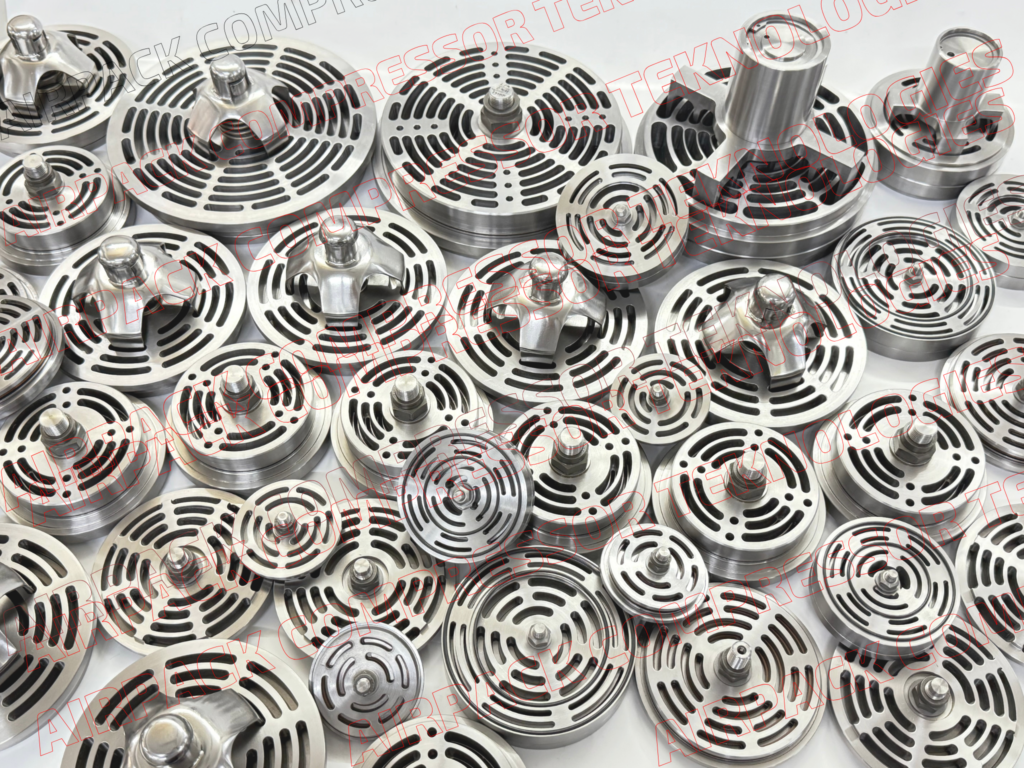
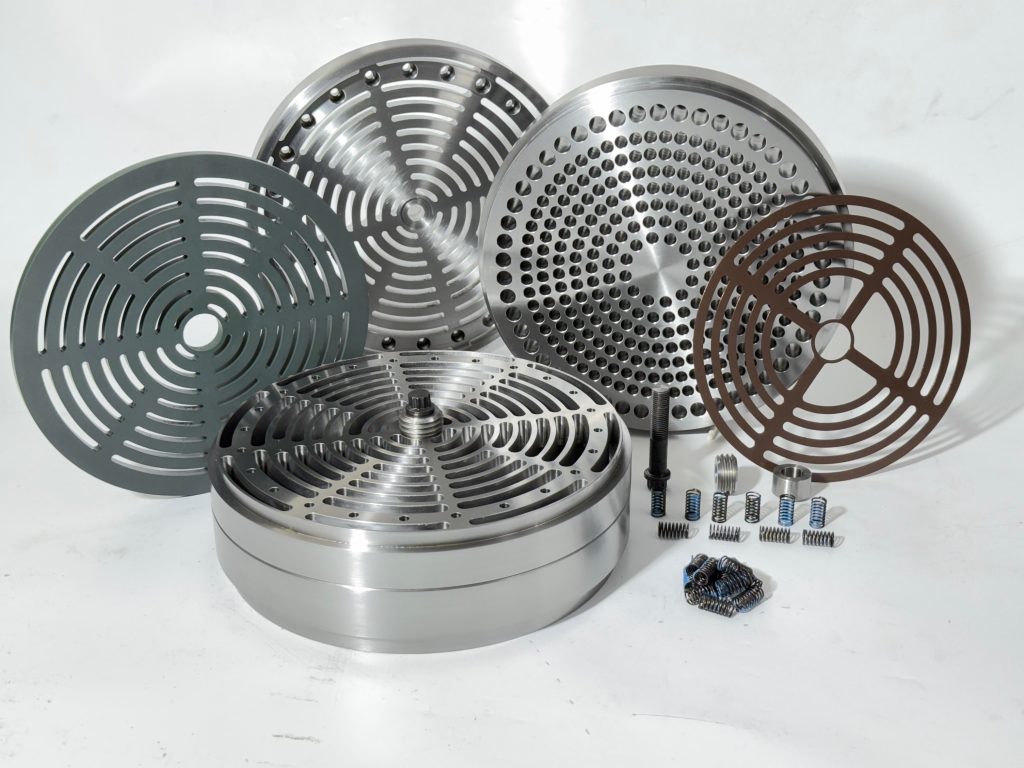
CNG compressors play a vital role in the fueling process. They compress natural gas to high pressures, typically between 3,000 and 3,600 psi (200–250 bar). This compression allows the gas to be stored safely in vehicle cylinders and ensures efficient fueling and dependable vehicle operation.
Different types of compressors are used in CNG applications. Reciprocating compressors are ideal for small- and medium-capacity fueling stations because they provide high-pressure performance and operational flexibility. In contrast, rotary screw compressors and centrifugal compressors are better suited for high-volume applications. These compressors deliver continuous operation, improved efficiency, and reliable performance for large-scale CNG refueling stations.
Performance, safety, and reliability are essential in every CNG compression system. Therefore, advanced engineering, regular maintenance, and compliance with industry safety standards are critical. These practices help improve efficiency, reduce downtime, and extend equipment life. As a result, high-quality CNG compressors support the growing demand for cleaner and more sustainable transportation solutions.
Key Facts About Compressed Natural Gas (CNG)
Composition
CNG consists primarily of methane (CH₄), which is one of the cleanest fossil fuels available. It produces lower emissions and fewer pollutants than gasoline and diesel. In addition, it releases less sulfur and particulate matter into the atmosphere.
Compression
Natural gas is compressed to pressures between 3,000 and 3,600 psi (200–250 bar). This high-pressure storage allows safe transportation and efficient fueling of CNG-powered vehicles.
Driving Range
CNG vehicles generally offer a shorter driving range than gasoline or diesel vehicles. This is because compressed natural gas has a lower energy density than conventional fuels.
Safety
CNG is lighter than air and disperses quickly if a leak occurs. Furthermore, CNG vehicles use specially designed storage cylinders that are built to withstand high operating pressures and meet strict safety standards.
Vehicle Applications
CNG is widely used in cars, buses, trucks, taxis, and commercial vehicles. Some vehicles are manufactured specifically for CNG operation, while others can use both conventional fuel and CNG through bi-fuel technology.
CNG Fueling Stations
CNG fueling stations use high-pressure compressors to fill vehicle cylinders safely and efficiently. Although infrastructure varies by region, ongoing investments and government support continue to expand CNG fueling networks worldwide.
CNG Conversion Kits
CNG conversion kits allow gasoline or diesel vehicles to operate on compressed natural gas. However, professional installation and regular maintenance are essential to ensure safe and efficient operation.
Environmental Benefits
CNG produces lower emissions of carbon dioxide (CO₂), nitrogen oxides (NOₓ), sulfur oxides (SOₓ), and particulate matter compared to conventional fuels. As a result, it helps improve air quality and supports environmental sustainability.
Why CNG Is Growing in Popularity
CNG offers a combination of lower emissions, reduced fuel costs, and reliable performance. Therefore, it has become an attractive fuel option for transportation fleets, public transit systems, and commercial vehicles seeking cleaner and more sustainable energy solutions.