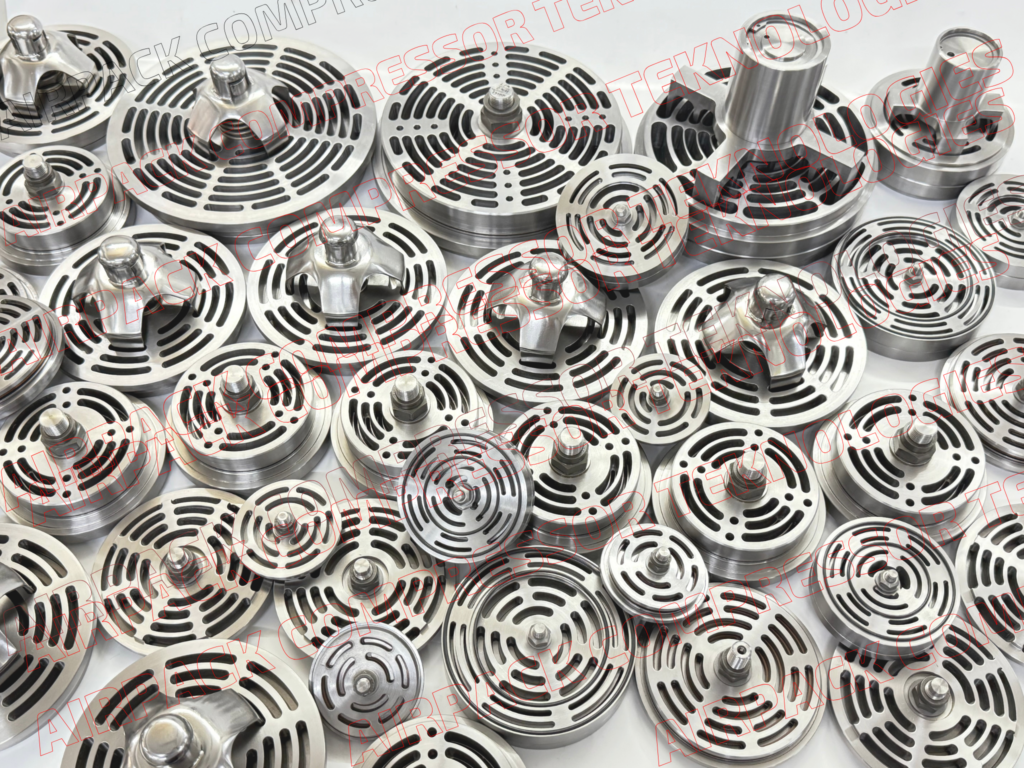
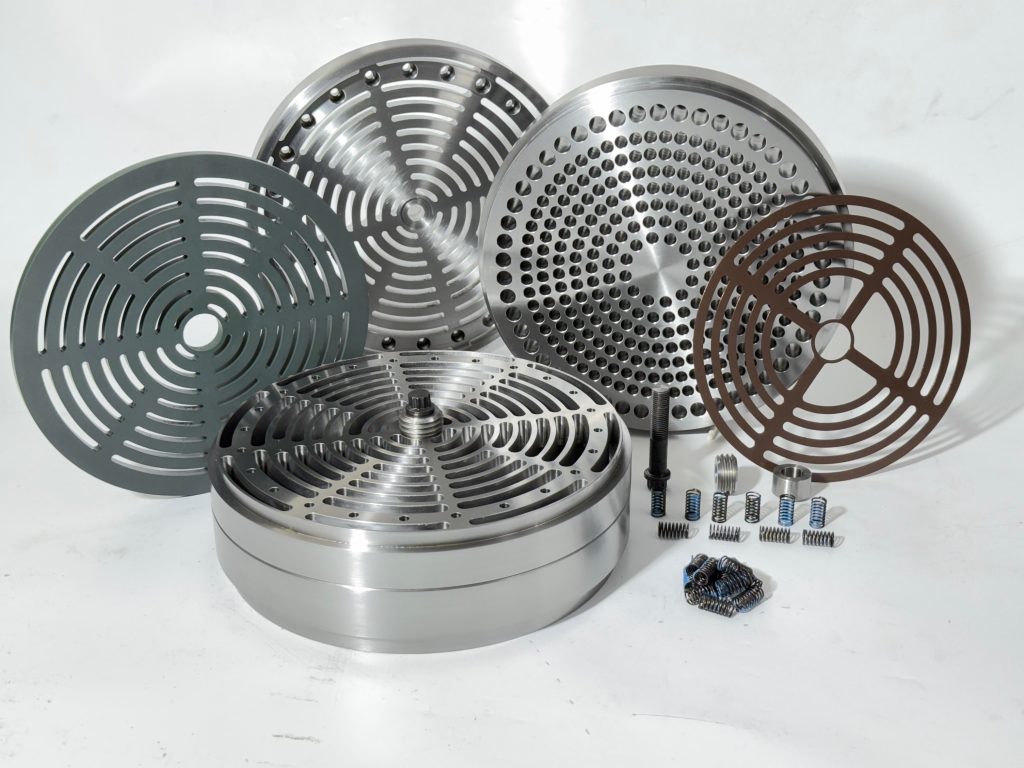
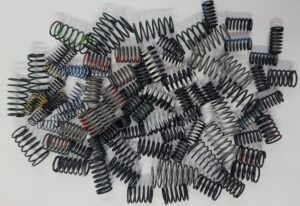
 The valves used in compressors are one of the most important parts used in reciprocating compressors. The function of these valves is to control the flow of gas through the suction and discharging process. Valve plates, seats, and guards get a lot of importance, but another part that plays an important role in valve operations is valve springs.
Proper spring stiffness helps compressor valves open and close at the correct time, minimizing pressure losses, reducing wear, and improving overall compressor efficiency. Selecting the wrong spring stiffness can lead to valve failure, excessive energy consumption, and reduced compressor performance.
What is Spring Stiffness?
Spring stiffness, also known as the spring constant, refers to the amount of force required to compress or extend a spring by a certain distance. In compressor valves, spring stiffness determines how quickly the valve responds to pressure changes within the compressor cylinder. A stiffer spring requires more force to compress, while a softer spring requires less force. The correct balance is essential for efficient valve operation.
Role of Springs in Compressor Valves.
Valve springs serve multiple important purposes in reciprocating compressors:
Regulate valve movements during opening and closing
Guarantee correct sealing of valve plates
Minimize valve flutter and vibrations
Improve the quality of flow
Prevent mechanical stress to valve elements
Increase reliability
In the absence of well-designed springs, the valves of reciprocating compressors cannot sustain constant performance levels.
Why Spring Stiffness is Important in Compressor Valves.
1. Ensures Timely Valve Closing
Compressor valves must close quickly after gas flow stops. Proper spring stiffness provides the necessary restoring force to return the valve plate to its seat.
Benefits include:
- Reduced gas leakage
- Improved volumetric efficiency
- Better compression performance
- Lower energy consumption
2. Prevents Valve Flutter
Valve flutter occurs when the valve plate repeatedly oscillates due to insufficient spring force or unstable flow conditions.
Proper spring stiffness helps:
- Stabilize valve movement
- Reduce vibration
- Minimize noise levels
- Extend valve service life
3. Improves Compressor Efficiency
The efficiency of a reciprocating compressor depends heavily on valve performance.
Correct spring stiffness helps:
- Minimize pressure losses
- Reduce re-expansion losses
- Improve gas flow control
- Increase compressor output
As a result, compressors operate more efficiently while consuming less power.
4. Reduces Valve Impact Damage
When valve plates open and close, they experience repeated mechanical impacts. Excessively soft or stiff springs can increase impact forces and accelerate wear.
Optimized spring stiffness helps:
- Absorb dynamic forces
- Reduce stress on valve plates
- Protect valve seats and guards
- Lower maintenance costs
5. Extends Valve Life
Compressor valves operate thousands of times every minute. Incorrect spring stiffness can increase fatigue stress on valve components.
Advantages of proper spring selection include:
- Longer valve lifespan
- Reduced downtime
- Improved reliability
- Lower replacement costs
Effects of Incorrect Spring Stiffness.
Spring Too Stiff
When spring stiffness is excessive:
- Higher pressure is required to open the valve
- Increased energy consumption
- Reduced flow capacity
- Higher pressure drop across the valve
- Potential overheating
Spring Too Soft
When spring stiffness is insufficient:
- Delayed valve closing
- Increased leakage losses
- Valve flutter and vibration
- Higher wear rates
- Reduced compressor efficiency
Therefore, selecting the appropriate spring stiffness is essential for achieving optimal valve performance.
Factors Affecting Spring Stiffness Selection.
Several operating conditions influence spring stiffness requirements:
Compressor Pressure
Higher operating pressures often require stronger springs to maintain stable valve operation.
Gas Properties
Different gases have varying densities and flow characteristics, affecting valve dynamics.
Compressor Speed
High-speed compressors require springs capable of rapid response without causing excessive impact forces.
Valve Design
The geometry and weight of valve components influence the spring force required for proper operation.
Operating Temperature
Spring materials must maintain stiffness characteristics under elevated temperatures and harsh operating environments.
Applications of Optimized Compressor Valve Springs.
Properly designed compressor valve springs are widely used in:
- Oil & Gas Industry
- Petrochemical Plants
- Chemical Processing Units
- Power Generation Facilities
- Industrial Manufacturing Plants
- Natural Gas Compression Systems
- Refinery Operations
Best Practices for Compressor Valve Spring Selection.
To maximize compressor performance:
- Use springs designed specifically for compressor applications
- Select corrosion-resistant spring materials
- Conduct periodic valve inspections
- Replace worn or fatigued springs promptly
- Follow manufacturer recommendations
- Optimize spring stiffness for operating conditions
Regular maintenance and proper spring selection significantly improve valve reliability and compressor efficiency.
Conclusion
The spring rate is very important in the performance of the compressor valves. Well-designed springs for the valves will provide the timing of opening and closing of the valves, minimize vibrations, minimize leaks, increase energy efficiency, and prolong the life of the components. In the oil and gas, petrochemical, and industrial fields, well-designed spring rates will maximize the efficiency of the compressors.
For industries seeking dependable compressor valve solutions, selecting high-quality valve springs with the correct stiffness characteristics is essential for maintaining efficient and trouble-free compressor operation.
FAQs
What is spring stiffness in compressor valves?
Spring stiffness’s refers to the force required to compress or extend a valve springs. It controls how the valve opens and closes during compressor operation.
Why is springs stiffness important in reciprocating compressor valves?
It ensures proper valve timing, reduces leakage, prevents flutter, improves efficiency, and extends valve life.
What happens if a compressor valve spring is too stiff?
A spring that is too stiff can increase pressure losses, reduce flow capacity, and raise energy consumption.
What happens if a compressor valve spring is too soft?
A soft spring can cause valve flutter, delayed closing, gas leakage, and premature valve wear.
How does springs stiffness affect compressor efficiency?
Correct stiffness minimizes pressure losses and ensures efficient gas flow, helping improve overall compressor performance.
When should compressor valve springs be replaced?
Springs should be replaced if they show signs of fatigue, corrosion, deformation, or reduced performance during valve inspections.