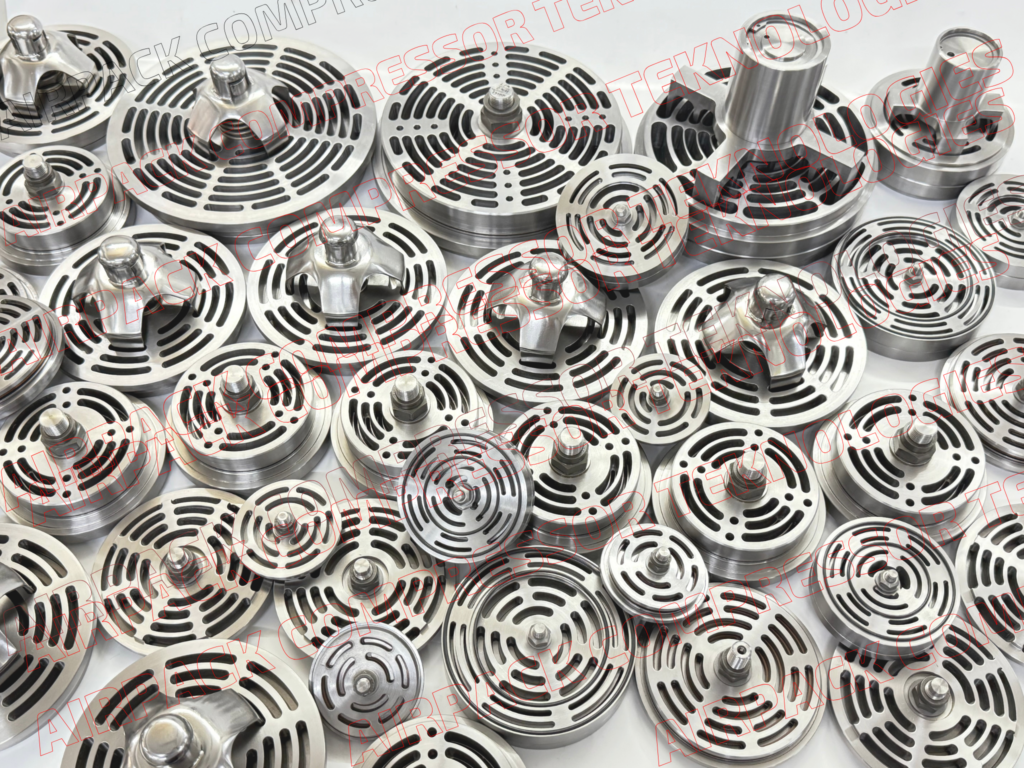
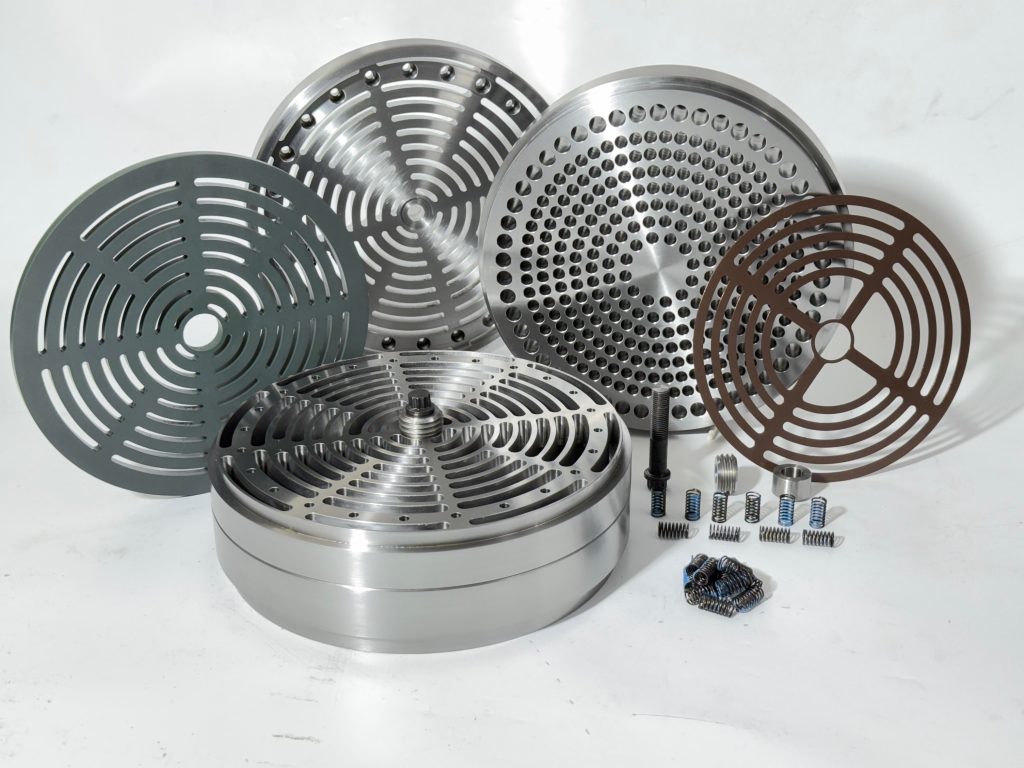
 Modern industries rely on precision-engineered components to achieve high performance, reliability, and long service life. Among these essential components, Machined and Turned Parts play a critical role in manufacturing equipment, industrial machinery, compressors, automotive systems, aerospace applications, and heavy engineering projects.
Whether manufactured using CNC machines or conventional turning operations, these components are designed with exceptional accuracy to meet strict dimensional tolerances and industry standards.
In this guide, you’ll learn everything about Machined and Turned Parts, including their manufacturing process, types, materials, applications, benefits, and tips for choosing the right manufacturer.
What Are Machined and Turned Parts?
Machined and Turned Parts are precision-engineered components produced by removing material from a metal or engineering plastic workpiece using machining processes such as turning, milling, drilling, boring, threading, and grinding.
Turning is performed on a lathe or CNC turning center, where the workpiece rotates while cutting tools shape it into the required dimensions. These parts are widely used where high precision, durability, and consistent quality are essential.
Industries choose precision machined parts because they offer excellent dimensional accuracy, smooth surface finishes, and reliable performance in demanding applications.
How Are Machined and Turned Parts Manufactured?
The manufacturing process involves several carefully controlled steps to ensure every component meets customer specifications.
Design and Engineering
The process begins with CAD drawings or customer-provided technical specifications. Engineers determine dimensions, tolerances, materials, and machining requirements before production starts.
Material Selection
Choosing the right material depends on the operating environment and application. Common materials include:
- Stainless Steel
- Carbon Steel
- Alloy Steel
- Brass
- Bronze
- Aluminum
- Cast Iron
- Copper
- Engineering Plastics
- PTFE
- PEEK
CNC Turning
During CNC turning, the raw material rotates while cutting tools remove excess material to create the desired shape. This process is ideal for shafts, bushings, sleeves, rings, and cylindrical components.
Additional Machining Operations
Depending on the design, components may undergo:
- CNC Milling
- Drilling
- Threading
- Boring
- Reaming
- Grooving
- Grinding
Inspection and Quality Control
Each component is inspected using precision measuring instruments to ensure compliance with dimensional tolerances and quality standards.
Types of Machined and Turned Parts
Different industries require different types of industrial machined components. Common examples include:
Shafts
Used for transmitting rotational power in industrial machinery and compressors.
Bushes and Sleeves
Reduce friction and support rotating or sliding components.
Pistons
Essential components in reciprocating compressors and hydraulic systems.
Valve Components
Precision-machined valves provide accurate flow control in industrial equipment.
Flanges
Used for securely connecting pipes and industrial equipment.
Threaded Components
Manufactured with high precision for secure mechanical fastening.
Custom Machined Parts
Designed according to customer drawings and specific industrial requirements.
Materials Used for Machined and Turned Parts
Material selection directly impacts durability, corrosion resistance, and performance.
Common materials include:
- Stainless Steel (SS304, SS316)
- Carbon Steel
- Alloy Steel
- Mild Steel
- Brass
- Bronze
- Aluminum
- Copper
- Cast Iron
- Engineering Plastics
- PTFE
- Nylon
- Delrin
- PEEK
Each material is selected based on strength, operating temperature, corrosion resistance, wear resistance, and application requirements.
Applications of Machined and Turned Parts
Machined and Turned Parts are applied in many sectors that require precision and reliability.
Oil & Gas Sector
Applied in compressors, pumps, valves, and drilling tools.
Air Compressor Sector
Designed to produce reciprocating compressor parts such as shafts, valve parts, pistons, and precision fittings.
Automotive industry
Exists in engine, transmission, brake, and suspension systems.
Aerospace industry
Used for manufacturing components of aircraft that require high precision and accuracy.
Pharmaceutical industry
Highly precise parts guarantee proper functioning of machines.
Food Processing Industry
Constructed from corrosion resistant alloys for hygienic applications.
Power Generation
Applied in turbines, compressors, generators, and industrial machines.
Heavy Engineering
Needed for the construction of equipment, machine tools, and industrial automation.
Benefits of Precision Machined and Turned Parts.
CNC turned parts of high quality have many benefits.
Better Accuracy
It guarantees precision and proper measurements.
Perfect Surface Finish
It reduces friction and improves performance of components.
Strength
Machined components can bear high weight in tough working conditions.
Increased Longevity
Use of good quality material and machining process leads to lesser wear and tear.
Better Machine Efficiency
Good machined components help achieve better efficiency of machines.
Custom Manufacturing
Parts can be manufactured according to customer drawings and specifications.
Reliable Quality
Modern CNC machines ensure repeatability and consistent production quality.
How to Choose the Right Machined Parts Manufacturer?
Choosing the proper manufacturer of machined parts plays an important role to ensure high-quality results.
Pay attention to such aspects:
Manufacturing Expertise
Find out about manufacturing experience of your supplier, including precision machining and industrial parts.
CNC Machines
Nowadays, CNC machines provide higher accuracy and consistent quality.
Materials Knowledge
Your manufacturer must have a large selection of engineering materials.
Quality Assurance
Each part must be inspected dimensionally and quality tested.
Custom Manufacturing Capacity
The manufacturer should be capable of manufacturing parts based on customer requirements.
On-time Delivery
Timely deliveries can avoid production bottlenecks.
Technical Support
An experienced engineering team can assist with material selection and design improvements.
Conclusion
Machine and Turning Parts form the bedrock of today’s industrial machinery, providing the accuracy, durability, and reliability needed to perform under challenging conditions. In reciprocating compressors, automobiles, power stations, and heavy machinery, these parts provide reliable functionality and increased efficiency.
Working with a professional Machining Parts Manufacturer ensures that you will receive quality products and services that guarantee performance in your industrial processes.