Natural gas gathering systems play a crucial role in transporting gas from production wells to processing facilities and transmission pipelines. Since natural gas often leaves the wellhead at varying pressures, compression is essential to ensure efficient transportation and maintain consistent flow throughout the gathering network.
Among the various compression technologies available, reciprocating compressors remain one of the most widely used solutions in natural gas gathering systems due to their efficiency, reliability, and ability to handle varying operating conditions.
What Are Natural Gas Gathering Systems?
Natural gas gathering system refers to the arrangement of pipes, compressors, separators, and gas processing plants which serve to collect natural gas from several production wells and deliver it to the processing and transmission facilities.
The goals of a gathering system can be summarized as follows:
Gas collection from the production sites
Pressure maintenance within the pipelines
Gas transportation
Impurities and liquid removal
Gas delivery to the processing and distribution facilities
With the movement of gas through gathering lines, some pressure drops happen due to friction and elevation differences along the pipe line. Compressors assist in overcoming these pressure drops.
What Is a Reciprocating Compressor?
Reciprocating compressors are one form of positive displacement compressors where the process of compression is done through the use of a piston in a cylinder.
The compression process includes the following steps:
The gas goes into the cylinder via the suction valve.
The piston works to compress the gas.
The compressed gas comes out via the discharge valve.
This process is repeated endlessly.
Due to their capacity to operate efficiently even when working at high pressure, reciprocating compressors are common in the natural gas industry.
Why Reciprocating Compressors Are Used in Natural Gas Gathering Systems.
Natural gas gathering systems require reliable compression equipment capable of handling fluctuating gas volumes and changing well conditions.
Reciprocating compressors offer several advantages that make them ideal for these applications.
High Compression Efficiency.
Reciprocating compressors are known for their excellent thermodynamic efficiency, making them suitable for continuous gas gathering operations.
Higher efficiency helps operators reduce fuel consumption and operating costs.
Variable Flow Rate Capability.
Flow rates during gas production tend to vary depending on the well conditions.
The reciprocating compressor is able to cope with changes in flow rates.
High Pressure Capability.
Collection systems often need large pressure boosts in order to deliver gas across long pipeline systems.
Reciprocating compressors have the ability to attain high discharge pressures while performing reliably.
Suitable for Remote Locations
Many gas fields are located in remote areas where equipment reliability is critical.
Reciprocating compressors are well-established machines known for dependable field performance and long service life.
Flexible Operation
These compressors can be configured for different gas compositions, pressure ratios, and flow capacities, making them suitable for a wide range of gathering system requirements.
How Reciprocating Compressors Support Gas Gathering Operations.
Reciprocating compressors have a number of important roles in gathering systems.
Wellhead Compression
As the pressure in the reservoir drops over time, the gas may not flow through the gathering pipelines effectively.
Reciprocating compressors increase pressure at the wellhead.
Gathering Line Compression
Compression stations located along gathering pipelines compensate for pressure losses and ensure continuous gas movement toward processing facilities.
Booster Compression
The use of booster compression is very common for multi-stage gathering systems where there is increased pressure from the collecting stations to the processing plants.
Vapor Recovery Applications
Reciprocating compressors are often used in vapor recovery systems to capture valuable hydrocarbon gases that might otherwise be vented or flared.
Key Components of a Reciprocating Compressor.
The performance of the reciprocating compressor is dependent upon various important parts operating in unison.
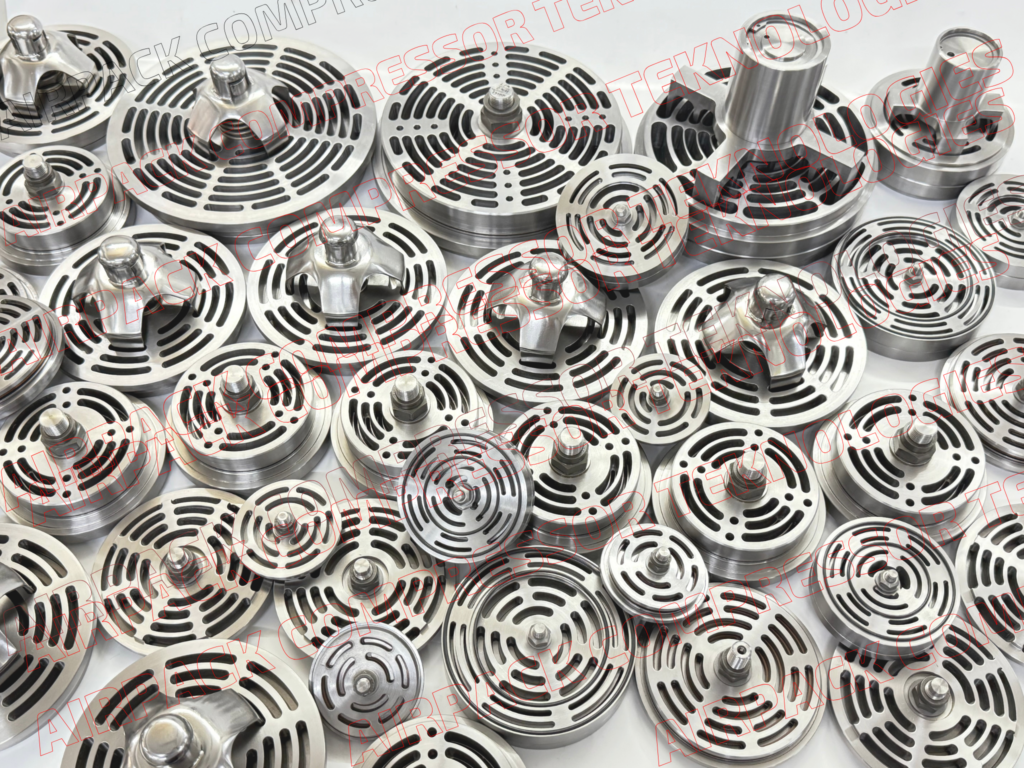
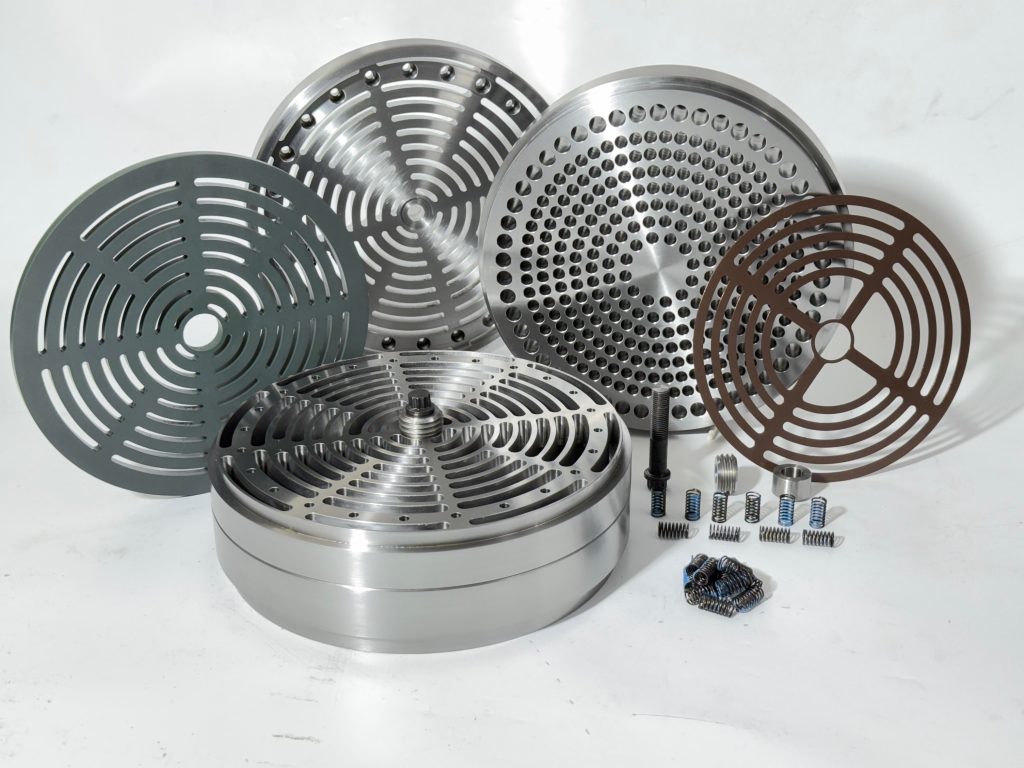
Compressor Valves
The compressor valves control the flow of gas through the suction and discharge strokes.
Excellent valves can go a long way in increasing efficiency and minimizing leaks.
Valve Plates
Valve plates open and close repeatedly during operation, making them essential for reliable gas compression.
Both thermoplastic and metallic valve plates are commonly used depending on operating conditions.
Piston Rings and Rider Rings
These components help maintain sealing performance and support piston movement inside the cylinder.
Packing Rings
Packing rings prevent gas leakage around the piston rod and help maintain system efficiency.
Springs
Valve springs ensure proper valve operation and contribute to reliable compressor performance.
Cylinder Assemblies
The cylinder is where the compression process takes place and must withstand high pressures and temperatures.
Benefits of Reciprocating Compressors in Natural Gas Gathering Systems.
Improved Gas Recovery
Compression helps maintain production rates and recover more gas from aging wells.
Reduced Energy Costs
Efficient compressor operation lowers fuel consumption and operational expenses.
Reliable Pipeline Pressure Control
Reciprocating compressors help maintain stable pressure throughout gathering networks.
Increased System Capacity
Proper compression allows operators to transport larger gas volumes through existing infrastructure.
Enhanced Operational Flexibility
These compressors can adapt to changing field conditions and production demands.
Long Service Life
With proper maintenance, reciprocating compressors can deliver reliable performance for many years.
Challenges in Natural Gas Gathering Applications.
While reciprocating compressors offer numerous advantages, operators must address certain challenges.
Gas Mixture Variations
The natural gas may have impurities, water vapor, and variations in hydrocarbons.
Pressure Variations
There could be variations in suction pressure and flow demands depending on the condition of the well.
Maintainability Issues
There are issues like the need to maintain components including valves, piston rings, packing rings and bearings.
Thermal Control
Compression creates heat; thus, a cooling system is necessary.
Best Practices for Maintaining Reciprocating Compressors.
For optimal compressor functioning and durability, a proactive maintenance plan is recommended.
Carry out Regular Valves Inspection
A damaged valve lowers efficiency and causes high energy use.
Monitor Vibration Levels
Excessive vibration may indicate mechanical issues requiring attention.
Inspect Compressor Components.
Regularly examine:
- Valve assemblies
- Valve plates
- Springs
- Packing rings
- Piston rings
- Rider rings
Lubrication Systems Checkup.
Lubricating ensures low wear and increases the lifespan of equipment.
Operation Temperature Monitor.
Temperature checks assist in recognizing any problems that may occur.
Conclusion
Reciprocating compressors are a critical part of natural gas gathering systems, ensuring efficient transportation of gas from production wells to processing facilities. Their ability to handle variable flow rates, achieve high pressures, and operate reliably in demanding environments makes them one of the preferred compression technologies in the natural gas industry.
By maintaining proper compressor performance and using high-quality components such as compressor valves, valve plates, piston rings, packing rings, and springs, operators can improve efficiency, reduce operating costs, and maximize natural gas production.
Frequently Asked Questions
Why are reciprocating compressors used in natural gas gathering systems?
They provide high efficiency, reliable operation, high-pressure capability, and flexibility for handling variable gas production rates.
What is the role of compression in gas gathering systems?
Compression increases gas pressure, compensates for pipeline pressure losses, and ensures efficient transportation to processing facilities.
What components require regular maintenance in reciprocating compressors?
Compressor valves, valve plates, piston rings, rider rings, packing rings, springs, and lubrication systems require routine inspection.
Can reciprocating compressors handle changing gas flow rates?
Yes. They are well suited for applications where gas production and operating conditions fluctuate over time.
How do reciprocating compressors improve gas recovery?
They maintain sufficient pressure to continue transporting gas from wells, helping operators maximize production and resource utilization.