eciprocating compressors play a critical role in various industries, including oil & gas, chemical processing, manufacturing, power generation, and industrial air systems. However, inefficient compressor operation can significantly increase energy costs, reduce productivity, and lead to premature equipment failures.
Understanding how to increase reciprocating compressor efficiency is essential for improving operational reliability, reducing maintenance expenses, and maximizing return on investment. By implementing proper maintenance practices, upgrading critical components, and optimizing operating conditions, industrial facilities can achieve higher reciprocating compressor efficiency while lowering overall operating costs.
Organizations looking to improve compressor performance should focus on equipment condition, energy consumption, efficiency, sealing systems, lubrication, and preventive maintenance programs.
What Is Reciprocating Compressor Efficiency?
Reciprocating compressor efficiency refers to the compressor’s ability to convert input power into useful compressed gas output while minimizing energy losses.
Several efficiency metrics are commonly used:
Volumetric Efficiency.
Measures how effectively the compressor cylinder fills with gas during the suction cycle.
Mechanical Efficiency
Evaluates losses caused by friction in moving components.
Compression Efficiency
Measures how closely the compression process matches ideal thermodynamic performance.
Overall Compressor Operating Efficiency
Represents the combined effectiveness of all compressor systems.
A highly efficient compressor delivers maximum output while minimizing compressor power consumption and maintenance costs.
Why Is Improving Reciprocating Compressor Efficiency Important?
Industrial facilities rely heavily on compressed air and process gas systems. Even small efficiency improvements can generate significant savings.
Key Benefits of Improved Compressor Efficiency.
- Reduced energy costs
- Lower compressor power consumption
- Improved equipment reliability
- Increased production output
- Reduced downtime
- Extended component life
- Lower maintenance expenses
- Enhanced operational safety
Common Causes of Poor Reciprocating Compressor Performance.
Before implementing optimization strategies, it is important to identify factors reducing compressor performance.
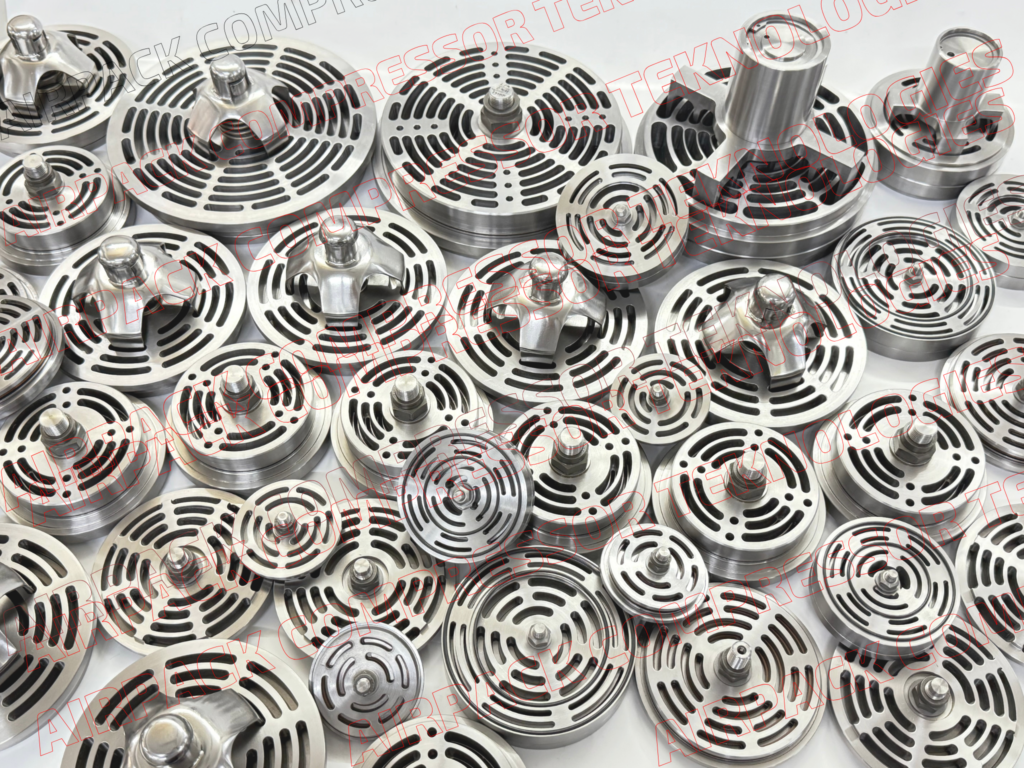
Worn Compressor Valves
Damaged or leaking valves reduce volumetric efficiency and increase energy consumption.
Excessive Pressure Drops
Restricted piping, dirty filters, and blocked coolers force compressors to work harder.
Poor Lubrication
Inadequate lubrication increases friction losses and component wear.
Air or Gas Leakage
Leakages reduce system efficiency and waste compressed gas.
Incorrect Operating Conditions
Operating outside design parameters can significantly impact compressor energy efficiency.
Lack of Preventive Maintenance
Ignoring routine inspections often results in reduced compressor operating efficiency.
10 Proven Ways to Improve Reciprocating Compressor Efficiency.
1. Maintain Compressor Valves Regularly
Compressor valves are among the most critical components affecting performance.
Benefits include:
- Better gas flow
- Reduced pressure losses
- Higher volumetric efficiency
- Lower energy consumption
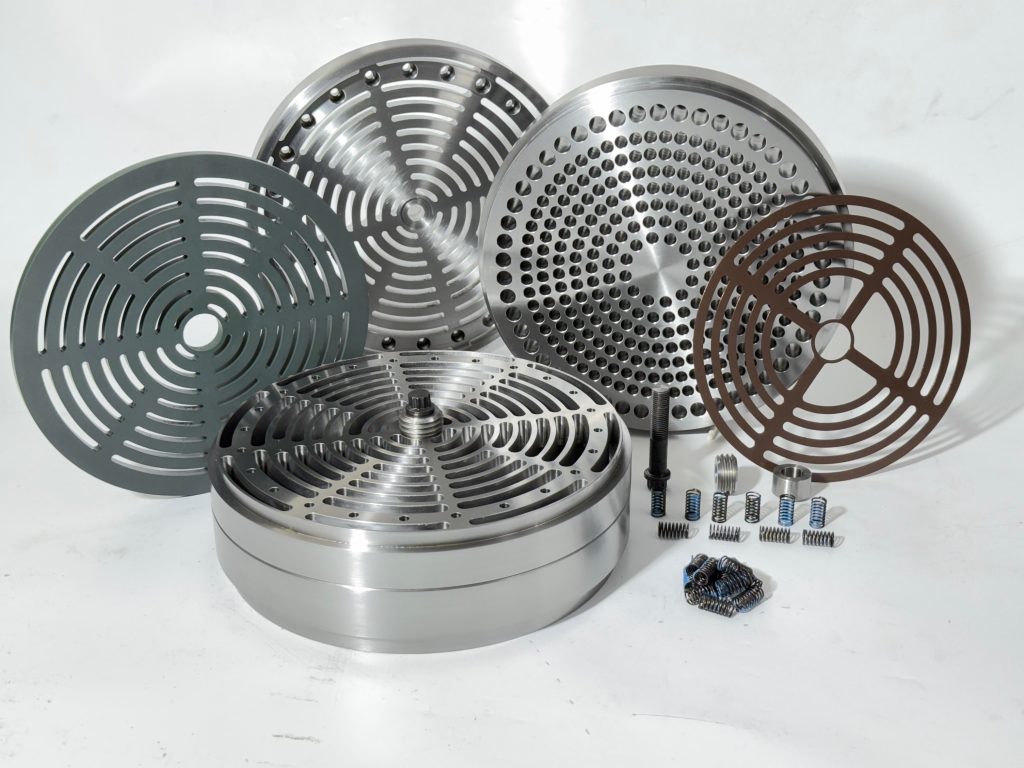
Damaged valve plates, springs, or seats should be replaced immediately.
Recommended Action
Schedule valve inspections every maintenance cycle.
2. Optimize Suction and Discharge Conditions
Maintaining proper suction and discharge pressures improves overall compressor efficiency optimization.
Key recommendations:
- Minimize suction restrictions
- Maintain clean filters
- Monitor pressure drops
- Ensure adequate airflow
Lower suction pressure directly reduces compressor performance.
3. Eliminate Air and Gas Leaks
Leak detection is one of the fastest ways to improve compressor performance.
Common leakage locations include:
- Flanges
- Valve covers
- Piping joints
- Sealing systems
- Instrument connections
Leak Management Tips
- Conduct ultrasonic leak testing
- Repair leaks immediately
- Monitor pressure losses
Even small leaks can significantly increase compressor power consumption.
4. Upgrade Compressor Components
Modern compressor components provide superior efficiency compared to older designs.
Examples include:
- Advanced valve assemblies
- Thermoplastic valve plates
- High-performance piston rings
- Improved sealing systems
Replacing worn components helps improve reciprocating compressor efficiency while reducing maintenance costs.
5. Improve Cooling System Performance
Effective cooling reduces compression temperatures and improves thermodynamic efficiency.
Best Practices
- Clean intercoolers regularly
- Maintain cooling water quality
- Remove fouling deposits
- Monitor operating temperatures
Efficient cooling directly supports compressor energy efficiency.
6. Implement Predictive Maintenance Programs
Modern facilities increasingly use predictive maintenance technologies.
Monitoring Parameters
- Vibration analysis
- Temperature monitoring
- Oil analysis
- Pressure trends
- Valve condition monitoring
Predictive maintenance minimizes unexpected failures and improves compressor operating efficiency.
7. Optimize Lubrication Practices
Proper lubrication reduces friction and mechanical losses.
Compressor Maintenance Tips
- Use manufacturer-approved lubricants
- Maintain oil cleanliness
- Replace filters regularly
- Monitor oil condition
Lubrication directly affects reciprocating compressor performance.
8. Reduce Pressure Drops Across the System
Pressure losses force compressors to consume additional power.
Ways to reduce pressure drops:
- Use correctly sized piping
- Replace clogged filters
- Clean heat exchangers
- Remove unnecessary restrictions
This is one of the most effective ways to improve compressor efficiency.
9. Monitor Energy Consumption Continuously
Energy monitoring helps identify performance degradation before failures occur.
Key Performance Indicators
- Energy consumed per unit output
- Compressor loading percentage
- Power consumption trends
- Discharge temperatures
Continuous monitoring supports long-term compressor efficiency optimization.
10. Train Operators and Maintenance Personnel
Even advanced equipment can become inefficient without proper operation.
Training should include:
- Startup procedures
- Shutdown procedures
- Maintenance practices
- Troubleshooting techniques
- Energy-saving strategies
Well-trained personnel help sustain high reciprocating compressor efficiency.
Step-by-Step Process for Compressor Efficiency Optimization
Step 1 – Perform Efficiency Audit
Measure current performance and identify losses.
Step 2 – Inspect Critical Components
Check valves, piston rings, packing rings, and sealing systems.
Step 3 – Repair or Replace Worn Parts
Install high-quality replacement components.
Step 4 – Optimize Operating Conditions
Adjust pressure, temperature, and flow parameters.
Step 5 – Implement Preventive Maintenance
Develop a structured maintenance schedule.
Step 6 – Monitor Performance Continuously
Track KPIs and efficiency metrics regularly.
Role of High-Quality Compressor Spare Parts in Improving Efficiency.
The quality of spare parts directly impacts compressor performance.
High-quality parts offer:
- Longer service life
- Better sealing performance
- Reduced leakage
- Lower maintenance costs
- Improved reliability
Industrial facilities should source components from experienced manufacturers with proven expertise in reciprocating compressor technology.
Why Choose a Trusted Compressor Components Manufacturer?
A reputable manufacturer provides:
Engineering Expertise
Customized solutions for diverse applications.
Quality Assurance
Strict manufacturing standards and testing procedures.
Technical Support
Expert assistance for maintenance and optimization.
Reliable Supply Chain
Consistent availability of replacement components.
Industry Expertise and Real-World Applications.
The use of more efficient compressors can bring significant cost savings in many industrial sectors such as petrochemical plants, fertilizer plants, gas processing plants, and power plants.
Industrial sites that have incorporated compressor maintenance, replacement, leakage management, and predictive maintenance systems have usually realized:
Reduction in energy consumption
Better compressor efficiency
Reliability gains
Cost savings
Conclusion
Comprehension of how reciprocating compressor efficiency is to be increased is vital for lowering the cost of operation, prolonging the lifespan of equipment and achieving higher plant productivity. Compressor valves, preventive maintenance, energy management, leak reduction, lubrication process and quality spare parts can all help to boost the performance of the reciprocating compressor.
Collaboration with an established manufacturer of compressor components will help to achieve the best results.