 Compression springs are some of the most essential parts of reciprocating compressors. They make sure that the valves of the compressor function effectively by ensuring that they open and close at the right time in the compression process. A good compressor spring increases the efficiency of the compressor and prolongs its valve’s life span.
Whether used in oil & gas, petrochemical plants, power generation, fertilizer industries, or manufacturing facilities, compressor springs play a vital role in maintaining reliable compressor operations. Selecting the right compressor spring manufacturer is essential for achieving maximum equipment performance and minimizing downtime.
What are Compressor Springs?
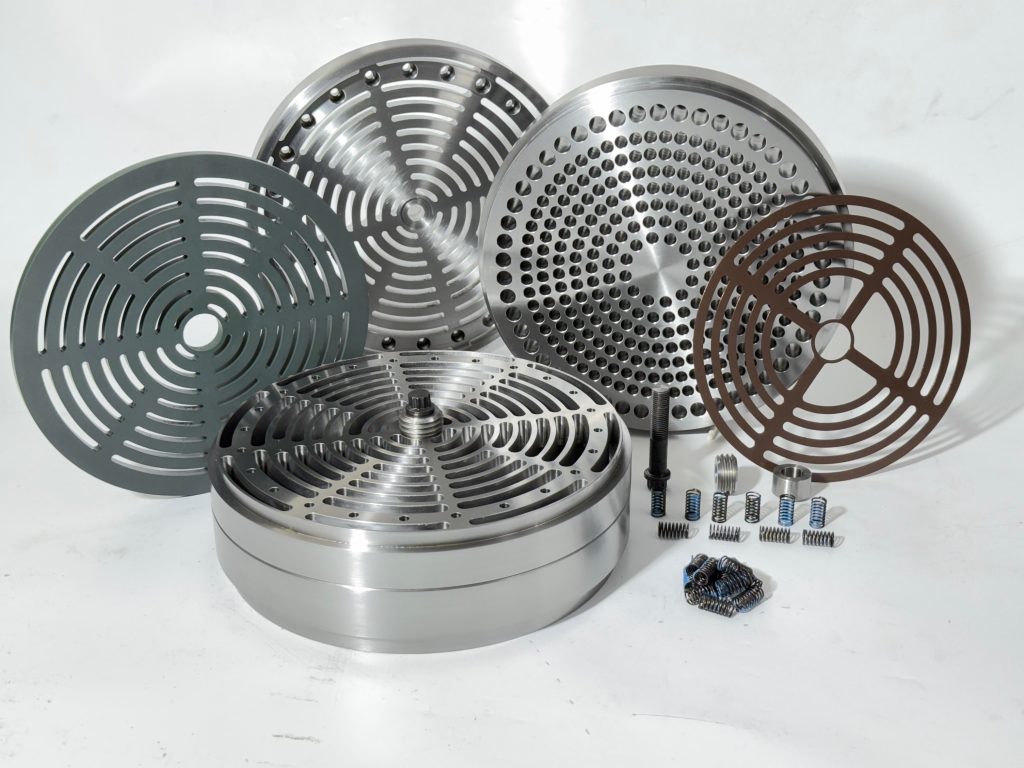
Compressor springs are highly-engineered mechanical springs which are installed in the assembly of compressor valves. The main purpose of these types of springs is to apply the requisite force which helps valve plates or discs regain their initial position during each compression cycle.
Some of the properties of these springs include:
High-pressure tolerance
High temperature resistance
Constant cyclic loadings
Corrosive industrial environment
Fast compressor movements
Highly premium compressor springs are made from high-quality stainless and alloy steel materials.
Why are Compressor Springs Important?
The efficiency of reciprocating compressors relies greatly on how their valve springs function.
With well-designed valve springs in the compressor, the following benefits will be gained:
- Proper valve opening and closing.
- No air or gas escape.
- Increased compressor efficiency.
- Less energy usage.
- Increased valve lifespan.
- Low maintenance requirements.
- Consistent operating pressure.
- Machine downtime reduction.
Without properly functioning springs, compressor valves will not function effectively, and there will be pressure losses and inefficiencies in the entire system.
Types of Compressor Springs.
Valve Springs
Valve springs are the most common compressor springs used in reciprocating compressor valve assemblies. They control the movement of valve plates during suction and discharge cycles.
Applications:
-
- Air compressors
- Gas compressors
- Industrial reciprocating compressor
Coil Springs
Coil springs provide consistent compression force and excellent fatigue resistance for high-cycle compressor applications.
Benefits:
- High durability
- Stable performance
- Long fatigue life
- Easy replacement
Compression Springs
Compression springs store mechanical energy when compressed and release it during valve operation.
They are widely used in:
- Valve assemblies
- Compressor repair kits
- Compressor spare parts
Stainless Steel Compressor Springs
These springs are made for application where corrosion resistance and high temperatures are necessary.
Industrial sectors are:
Chemical plants
Food processing plants
Pharmaceutical industries
Marine industries
High-Temperature Alloy Springs
Made of superior alloys such as Inconel, these springs work superbly even in very harsh conditions.
They can be used in:
Hydrogen compressors
Oxygen compressors
Process gas compressors
Petrochemical industries
Features of High-Quality Compressor Springs
A premium compressor spring offers:
- Excellent fatigue resistance
- High tensile strength
- Superior corrosion resistance
- Accurate load characteristics
- Long operational life
- Precision engineering
- Excellent dimensional accuracy
- Heat-treated construction
- Consistent spring force
- Reliable performance under continuous operation
Materials Used in Compressor Springs.
The choice of material directly affects the spring’s durability and performance.
Common materials include:
Stainless Steel Compressor Springs
Such springs can be used in environments where resistance to corrosion and heat is needed.
They are used in:
Chemical industries
Food processing industries
Pharmaceuticals industries
Marine Industries
High Temperature Alloy Springs
Constructed using high-quality alloys such as Inconel among others that are resistant to high temperatures, these springs operate very efficiently in harsh environments.
Applications include:
Hydrogen compressors
Oxygen compressors
Gas compressors
Petrochemicals
Inconel Alloys
- Extreme temperature resistance
- Excellent oxidation resistance
- Used in critical compressor applications
Applications of Compressor Springs.
Compressor springs are widely used across multiple industries.
Oil & Gas Industry
Used in:
- Natural gas compressors
- Pipeline compressors
- Offshore compressors
Petrochemical Industry
Supports high-pressure gas compression processes with reliable valve operation.
Power Plants
Ensures uninterrupted compressor performance in turbines and auxiliary equipment.
Chemical Industry
Ideal for compressors handling corrosive gases and chemicals.
Manufacturing Industries
Used in:
- Industrial air compressors
- Pneumatic systems
- Process equipment
Fertilizer Plants
Maintains efficient operation of ammonia and process gas compressors.
How to Choose the Right Compressor Spring.
Selecting the right compressor spring requires careful consideration of several factors.
Operating Pressure
Choose springs capable of handling the compressor’s working pressure.
Operating Temperature
High-temperature compressors require heat-resistant spring materials.
Spring Material
Select materials based on corrosion resistance and operating environment.
Compressor Model
Ensure compatibility with the specific compressor make and model.
Load Capacity
The spring should provide the correct closing force without excessive stress.
Fatigue Life
Industrial compressors require springs designed for millions of compression cycles.
Benefits of Premium Compressor Springs.
Using high-quality compressor springs provides numerous operational advantages.
Improved Compressor Efficiency
Optimized valve motion reduces pressure losses and increases output.
Lower Maintenance Costs
Durable springs require fewer replacements, reducing maintenance expenses.
Longer Valve Life
Accurate spring force minimizes wear on valve plates and seats.
Reduced Downtime
Reliable springs improve equipment availability and productivity.
Better Energy Efficiency
Efficient valve operation lowers overall energy consumption.
Signs Your Compressor Springs Need Replacement.
Replace compressor springs if you notice:
- Reduced compressor efficiency
- Abnormal valve noise
- Pressure loss
- Frequent valve failures
- Broken or deformed springs
- Increased vibration
- Higher power consumption
- Reduced airflow
Timely replacement prevents expensive compressor failures.
Maintenance Tips for Compressor Springs.
To maximize spring life:
- Perform regular valve inspections.
- Replace damaged springs immediately.
- Use genuine compressor spare parts.
- Check spring tension during maintenance.
- Keep compressor valves clean.
- Monitor operating temperatures.
- Follow manufacturer maintenance schedules.
Conclusion
Compressor Springs are important components, which directly affect the effectiveness, efficiency, and life expectancy of the reciprocating compressors. The use of high-quality and precision-engineered Compressor Springs will ensure smoother operations of the valves, reduced maintenance costs, increased energy efficiency, and enhanced industrial performance.
Airpack Compressor is an experienced manufacturer of Compressor Springs, which offers durable precision-engineered compressor springs for all types of heavy duty industries.