Introduction
For an industrial compression system to operate efficiently and reliably, every internal component must perform with precision. One such critical component is the reciprocating compressor plate valve. Though small in size, it plays a vital role in controlling the intake and discharge of gas within the compressor.
Industries across India, the USA, the UK, and other global markets depend on high-efficiency reciprocating compressors for continuous production and process reliability. A properly designed compressor plate valve helps ensure smooth gas flow, improved sealing, better compressor efficiency, and reduced downtime.
This guide explains everything you need to know about reciprocating compressor plate valves, including their working principle, types, benefits, applications, maintenance, and selection criteria.
What Is a Reciprocating Compressor Plate Valve?
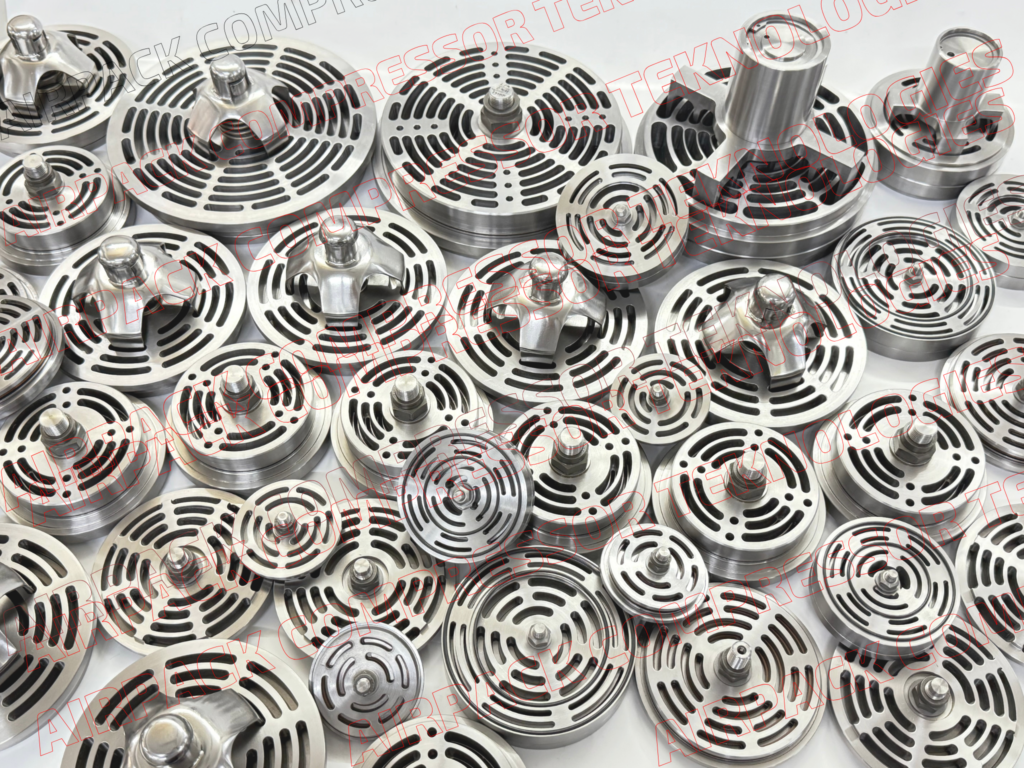
A reciprocating compressor plate valve is a mechanical valve used in reciprocating compressors to control the suction and discharge of air or gas. It operates automatically by opening and closing according to the pressure difference created during the compression cycle.
These valves are commonly manufactured from materials such as:
✓ Stainless steel
✓ Carbon steel
✓ High-grade alloy steel
✓ Thermoplastic materials such as PEEK, MT, and Nylon
The main function of a plate valve is to ensure:
✓ Proper gas flow
✓ Efficient compression
✓ Reduced leakage and energy loss
✓ Reliable compressor operation
✓ Improved performance under demanding conditions
Plate valves are widely used because of their compact design, fast response, effective sealing, and excellent durability in high-pressure and continuous-duty compressor applications.
How Does a Reciprocating Compressor Plate Valve Work?
The working principle of a reciprocating compressor plate valve is based on pressure difference inside the compressor cylinder. The valve opens and closes automatically during the suction, compression, and discharge strokes.
Suction Process
During the suction stroke:
✓ The piston moves downward
✓ Cylinder pressure drops below inlet pressure
✓ The suction plate valve opens automatically
✓ Air or gas enters the compression chamber
Compression Process
As the piston moves upward:
✓ The suction valve closes
✓ The air or gas is compressed inside the cylinder
✓ Pressure gradually increases during the compression stroke
Discharge Process
When the cylinder pressure becomes higher than the discharge line pressure:
✓ The discharge plate valve opens
✓ Compressed air or gas exits the chamber
✓ The valve closes again to prevent reverse flow
This continuous opening and closing cycle ensures efficient gas flow, proper compression, reduced leakage, and reliable compressor performance.
Major Components of a Compressor Plate Valve
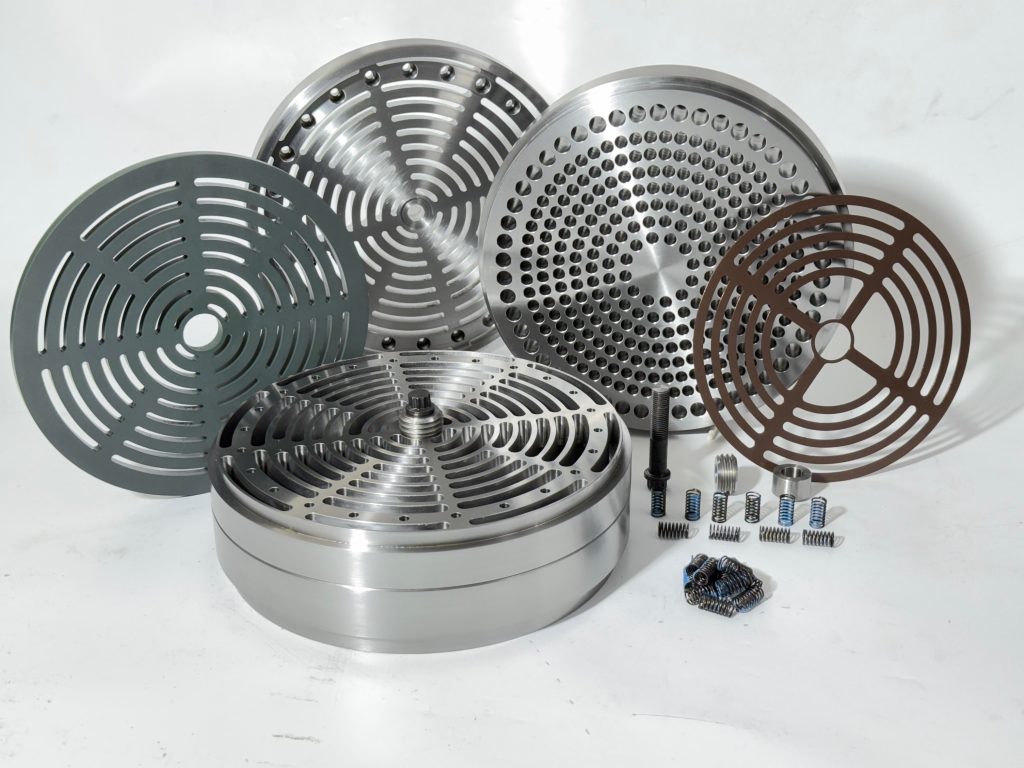
A reciprocating compressor plate valve consists of several precision-engineered components that work together to control gas flow, ensure proper sealing, and maintain reliable compressor performance.
Plate Valve Components of a Reciprocating Compressor
Valve Plate
The main moving component that opens and closes to regulate the flow of air or gas through the valve.
Valve Seat
Provides the sealing surface for the valve plate and helps prevent leakage during compressor operation.
Spring Assembly
Helps return the valve plate to its original position after opening, ensuring proper closing and reliable operation.
Valve Guard
Limits excessive movement of the valve plate and protects it from over-travel during operation.
Retainer
Keeps the internal valve components properly positioned and aligned for smooth and consistent performance.
Types of Reciprocating Compressor Plate Valves
Different industrial applications require different valve designs depending on pressure, gas flow, compressor speed, temperature, and operating conditions. Below are some commonly used types of reciprocating compressor plate valves.
1.Suction Plate Valve
A suction plate valve controls the incoming air or gas into the compression chamber during the suction stroke.
Features:
✓ Fast opening response
✓ Reduced pressure drop
✓ Improved gas flow efficiency
✓ Reliable intake performance
2.Discharge Plate Valve
A discharge plate valve releases compressed air or gas from the compression chamber into the discharge line.
Benefits:
✓ Suitable for high-pressure operation
✓ Improves compressor productivity
✓ Prevents reverse flow
✓ Enhances system safety and reliability
3.Ring Type Valve
Ring type valves use concentric ring-shaped plates and are commonly used in heavy-duty industrial reciprocating compressors.
Advantages:
✓ Long service life
✓ Good heat resistance
✓ Low maintenance requirements
✓ Suitable for demanding compressor applications
Choosing the right valve type helps improve compressor efficiency, reduce energy loss, and ensure reliable long-term operation.
Benefits of Using High-Quality Compressor Plate Valves
Using premium-quality reciprocating compressor plate valves offers several important advantages for industrial compressor performance, reliability, and operating efficiency.
Enhanced Energy Efficiency
High-efficiency plate valves help reduce pressure loss, improve sealing, and minimize leakage. This supports better compressor efficiency and helps reduce unnecessary energy consumption.
Increased Compressor Life
Strong and properly designed valve components reduce wear, impact damage, and stress on related compressor parts. This helps extend the overall service life of the compressor.
Reduced Downtime
Quality plate valves lower the risk of unexpected failures, breakdowns, and frequent maintenance issues, helping industries maintain continuous production.
Improved Airflow Regulation
Precision-engineered plate valves ensure smooth and controlled airflow during suction and discharge, resulting in stable compressor operation and better performance.
Lower Operating Costs
By improving efficiency, reducing leakage, minimizing maintenance, and extending component life, high-quality compressor plate valves help reduce overall operating expenses.
Industries Using Reciprocating Compressor Plate Valves
Reciprocating compressor plate valves are widely used across industries where reliable air or gas compression is essential for continuous operation, process efficiency, and equipment performance.
Manufacturing Industry
Used in compressed air systems for pneumatic tools, machinery, automation equipment, and general plant operations.
Oil and Gas Industry
Used in gas compressors, process gas systems, pipelines, and other demanding applications where reliable compression is critical.
Pharmaceutical Industry
Supports clean and controlled compressed air systems required for production, packaging, and process applications.
Automotive Industry
Used in assembly lines, pneumatic tools, spray painting booths, and other compressed air applications.
Food Processing Industry
Helps maintain reliable and hygienic compressed air systems used in processing, packaging, and production operations.
Across these industries, high-quality plate valves help improve compressor efficiency, reduce downtime, and support smooth industrial performance.
Common Problems in Compressor Plate Valves
Like any mechanical component, compressor plate valves can experience wear, fatigue, or performance issues over time due to continuous operation, high pressure, temperature, and gas conditions.
Valve Leakage
Valve leakage can occur due to damaged valve plates, worn sealing surfaces, improper seating, or weak spring action.
Common symptoms include:
✓ Drop in pressure
✓ Reduced compressor efficiency
✓ Increased energy consumption
✓ Poor compressor output
Faulty Valve Springs
Weak, broken, or fatigued valve springs can affect the opening and closing action of the valve, leading to improper sealing, delayed response, and reduced compressor performance.
Carbon Accumulation
Carbon deposits can build up on valve plates, seats, and flow passages, restricting gas flow and reducing overall compressor efficiency. This is commonly seen in poorly maintained or oil-contaminated systems.
High Noise Levels
Abnormal noise may indicate worn valve plates, damaged springs, loose internal components, or excessive valve impact. Ignoring such noise can lead to serious valve failure and compressor downtime.
Regular inspection, cleaning, and timely replacement of worn components can help prevent these issues and ensure reliable compressor operation.
How to Choose the Right Compressor Plate Valve
Choosing the correct reciprocating compressor plate valve depends on several factors.
Type of Compressor
Check if it is compatible with your type of compressor.
Pressure Levels
Choose valves suitable for your pressure levels.
Corrosion Resistance
Go for valves that resist corrosion and heat.
Usage of Valve
Some industrial sectors have specific valves.
Brand Name
Always purchase valves from reputable brands.
Why Choose Airpack Compressor for Plate Valves?
Airpack Compressor is known for manufacturing high-performance compressor components designed to deliver durability, efficiency, and reliable operation in demanding industrial applications. Our reciprocating compressor plate valves are precision-engineered to support smooth gas flow, effective sealing, and long service life.
Key Advantages of Airpack Compressor
✓ Premium-quality raw materials
✓ Precision engineering and accurate manufacturing
✓ Customized valve solutions as per application requirements
✓ Competitive pricing
✓ Global supply capabilities
✓ Strong technical support and application guidance
✓ Reliable compressor spare parts for industrial use
Airpack Compressor serves industries across India, the USA, the UK, and other global markets with dependable compressor plate valves, spare parts, and industrial compressor solutions designed for long-term performance.