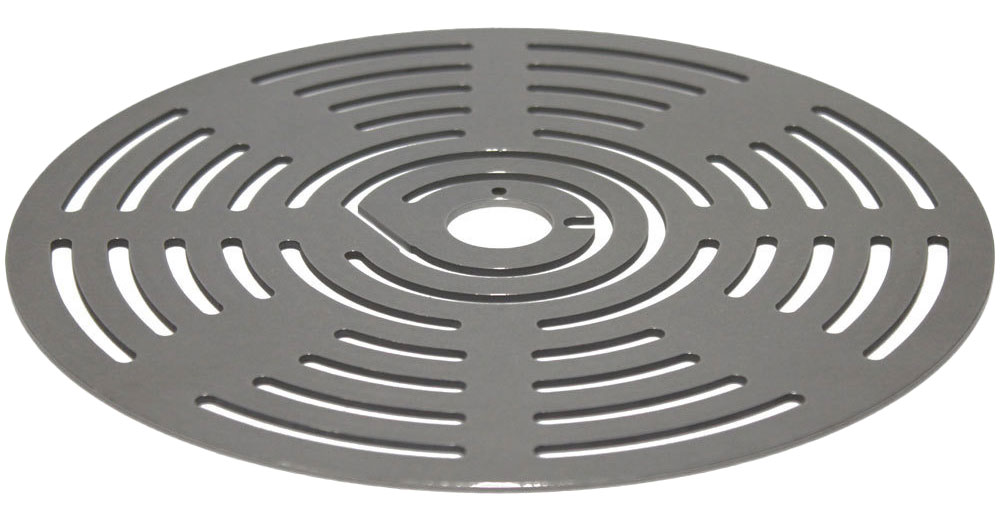
Pipeline transmission is one of the most efficient methods of transporting natural gas, crude oil, and industrial fluids. It enables safe, continuous, and cost-effective movement across long distances. Pipeline networks connect production facilities, processing plants, storage terminals, distribution systems, and end users. To maintain reliable flow throughout these networks, operators depend on high-performance compressor systems.
The efficiency of these compressor systems depends largely on the quality of their compressor valves and compressor spare parts. Reliable compressor components help maintain operating pressure, improve gas flow, and support continuous pipeline operations.
Compressor valves play a critical role in pipeline transmission compressors. They control the suction and discharge of gas during every compression cycle. As a result, they help maintain stable pressure and efficient gas movement throughout the pipeline network.
High-quality compressor valves improve compressor efficiency and reduce energy consumption. They also minimize pressure losses and prevent gas leakage. Because pipeline compressors operate continuously, compressor valves must provide long service life and dependable performance.
In addition to compressor valves, several compressor spare parts contribute to efficient compressor operation. These components include valve plates, valve assemblies, compressor valve springs, thermoplastic valves, metallic valve plates and rings, piston rings, rider bands, rod sealing rings, packing cases, bearings, bushes, gaskets, sealing elements, and compressor repair kits.
These components reduce wear and improve sealing performance. Furthermore, they help maintain compression efficiency and extend equipment life. Regular replacement of worn parts also helps operators reduce downtime and maintenance costs.
Pipeline transmission remains a vital part of the global energy industry. It connects production facilities, processing plants, storage terminals, refineries, and distribution networks. Efficient compressor systems help maintain stable pressure and reliable product delivery.
As a trusted manufacturer of compressor valves and compressor spare parts, Airpack Compressor Technologies provides precision-engineered solutions for pipeline transmission and gas compression applications. Our advanced compressor components improve efficiency, reduce maintenance costs, extend equipment life, and support reliable pipeline operations worldwide.